Biology Major

Take advantage of the diverse ecosystem of the Pacific Northwest with our biology major. Dive into research and test out your ideas in the lab and in the field to enhance your studies.

Program Snapshot

Undergraduate Bachelor of Arts, Undergraduate Bachelor of Science

Major, Minor

124

4 Years

Salem

Woman working in a laboratory with lab equipment and wearing blue gloves.

Our Biology Degree

Choose between a Bachelor of Arts in Biology or a Bachelor of Science in Biology. Collaborate with faculty on research or explore ideas independently. Our biology program combines lab work and field research to develop the skills you need to succeed. Choose one of the best biology programs in Oregon to turn research into real-world impact.

Why choose Biology at Willamette?

  • Research topics you're passionate about. Gain hands-on experience through the Science Collaborative Research Program, Willamette Science Outreach program, and other research grants. Dive into subjects through student groups like biology club.
  • Take advantage of nearby biodiversity. We're next to nature preserves, wildlife refuges, coastal tide pools, sand dunes, grasslands, and montane forests. Gain exposure to a variety of land nearby, on campus, and even Willamette at Zena.
  • Take your education abroad. Biology students can choose to study abroad. Choose between locations like Australia, England, and South Africa to stay on track and expand your knowledge.

Schedule a Visit

Request Information

Do you have questions about the Biology program at Willamette? Fill out this form and we'll get in touch!

Loading...

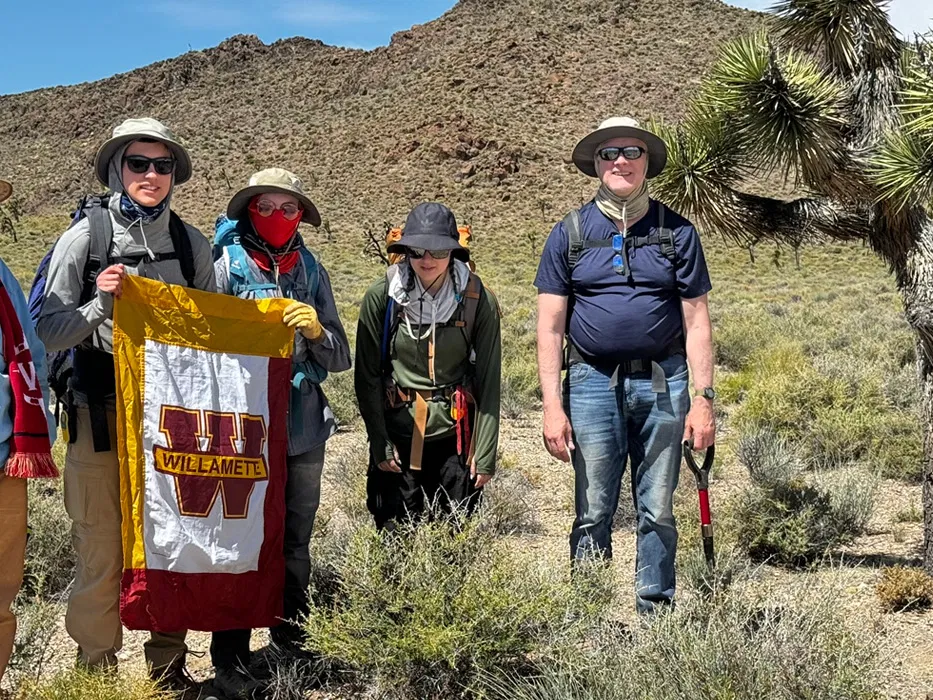
Willamette University professors Christopher Smith and Robert Bills received a $200,000 grant from the Bureau of Land Management to study how mycorrhizal fungi associated with Joshua trees may enhance their resilience to climate change. The project involves student-led research on fungi’s role in aiding Joshua trees' survival and potential restoration in wildfire-impacted or degraded areas.

Willamette biologists secure $200,000 grant to study Joshua tree resilience to climate change

Willamette students Ajia Buvit, Bjorn Domst, Sarah Jones, and Carson Meyer contributed to the research by conducting field and lab work to identify the fungi in Joshua tree roots and developing genetic tools to analyze the fungi.

View Story
Image of students and faculty at Joshua tree
Desert
Biology major Bjorn Domst BA’26 measures Joshua trees in the Mojave Desert as part of a research project.

Opportunities Beyond the Classroom

Curious where this major can take you? These are the real internships, graduate opportunities, and careers our Biology students have gone on to.

  • A biology student studying outside.

    Internships

    • Larimer County Conservation Corps
    • Michigan State University
    • Oregon Coast Aquarium
    • Oregon Department of Fish And Wildlife
    • Oregon Health and Sciences University
    • OMSI
    • Oregon Zoo
    • Salem Emergency Vet Clinic
    • Salem Health
    • Sierra Club
    • Smithsonian National Museum of Natural History
    • Tricol Biomedical, Inc.
  • A biology professor and student in a classroom lab

    Graduate School Destinations

    • Arizona State University
    • Boise State University
    • Cornell University
    • Johns Hopkins
    • Michigan State University
    • Oregon Health And Sciences University
    • Oregon State University
    • Penn State College of Medicine
    • University of California, Davis
    • University of Oregon
    • University of Texas
    • University of Washington
    • Washington State University
  • A biology student interns at a veterinary clinic.

    Employment Outcomes

    • Boston Children's Hospital
    • Charles River Laboratories
    • City of Portland
    • Cyn3rgy Research
    • Fred Hutch Cancer Center
    • Girls Inc. of the Pacific Northwest
    • Kuakini Medical Center
    • National Cancer Institute (NCI)
    • National Institutes of Health
    • National Park Service
    • Oregon Research Institute
    • Salem Health
    • St. Jude’s Research Hospital

Alumni Stories

From aiding vaccine development to earning a PhD, our graduates are making a difference. They've pursued graduate programs and have made a positive impact in their community. Learn more about how our alumni have used their biology degree.

  • Dr. Tyler Starr '12

    Distinguished Alum of the Year works on SARS-CoV-2
    Tyler Starr, a Damon Runyon Research Fellow at Fred Hutchinson Cancer Research Center, studies molecular evolutionary arms races between viruses and human immunity, pioneering methods for SARS-CoV-2 evolution modeling and therapeutic development, and will soon join the University of Utah as an Assistant Professor of Biochemistry.

    Young man smiling, wearing a blue plaid shirt and silver earrings, sitting on a staircase.
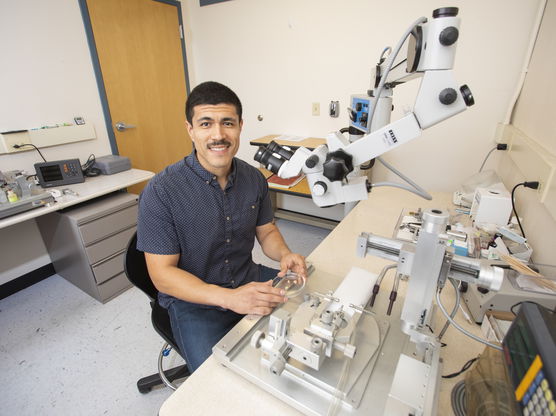
  • Person sitting at a lab workstation with a microscope.

    Dr. Alfredo Zuniga ’12

    On a Constant Path of Discovery in the Field of Neuroscience
    Dr. Alfredo Zuniga is a first generation college graduate who started at Willamette Academy, studied Biology at Willamette, and has become a successful neuroscientist. To this day he relies on the foundation set during his undergraduate studies, and the mentorship he received from professors.

Introducing Some of Our Faculty

Our faculty members have conducted meaningful research. They've published works, made discoveries, and inspired students. They are also experts in a variety of biological sciences. Work one-on-one with them through research projects and small class sizes.

  • Meet Professor Craig

    Dr. David P. Craig brings over 30 years of experience as a behavioral ecologist. His teaching philosophy emphasizes hands-on research experiences for students, guiding them in ecological inquiries and fostering intellectual growth.

    Headshot of Dr. David P. Craig
  • Meet Professor Smith

    Dr. Christopher Smith explores ecological processes' role in evolutionary patterns. His teaching philosophy centers on active student engagement, fostering dynamic lectures, extensive discussions, and independent research projects.

    Headshot of Dr. Christopher Smith
  • Meet Professor Marks

    Dr. Melissa Marks' research focuses on the genetics, ecology, and evolution of aquatic bacteria populations. In the classroom she emphasizes hands-on learning, communication skills, and ethical awareness in science.

    Headshot of Dr. Melissa Marks

Curriculum

Take coursework that mirrors the rapid changes in biology. Our courses emphasize phylogenetic relationships, evolutionary concepts, and functional qualities of living things. All courses integrate the historical, social, and ethical facets of biology. Learn within the classroom, the lab, and the field by utilizing the latest technologies and equipment.

  • BIOL 352 Plant Systematics

    Dive into hands-on field and lab exercises to explore plant evolution, with a focus on Pacific Northwest flora. Learn to identify unknown plants, understand botanicals, and contribute to long-term phenology research in diverse local habitats.

  • BIOL 333 Gene Structure and Function

    Study heredity in microbes, plants, and animals through an engaging course in classical and modern molecular genetics. Explore DNA, RNA, proteins, and cutting-edge topics like epigenetics and recombinant DNA technology through lab work.

Program Requirements

Our Bachelor of Arts Biology major requires 57 semester hours, with 124 credit hours to complete the degree. 

Our Bachelor of Science Biology major requires 58 semester hours, with 124 credit hours to complete the degree. 

Students pursuing a Biology minor will need to complete 20 semester hours in Biology. This can be any 20 semester hours in BIOL.

Two students inspecting the rings of a tree trunk

Admissions Information

Our Biology program is open to first-year students, transfer students and international students. Learn more about Willamette’s undergraduate admissions process to get started.

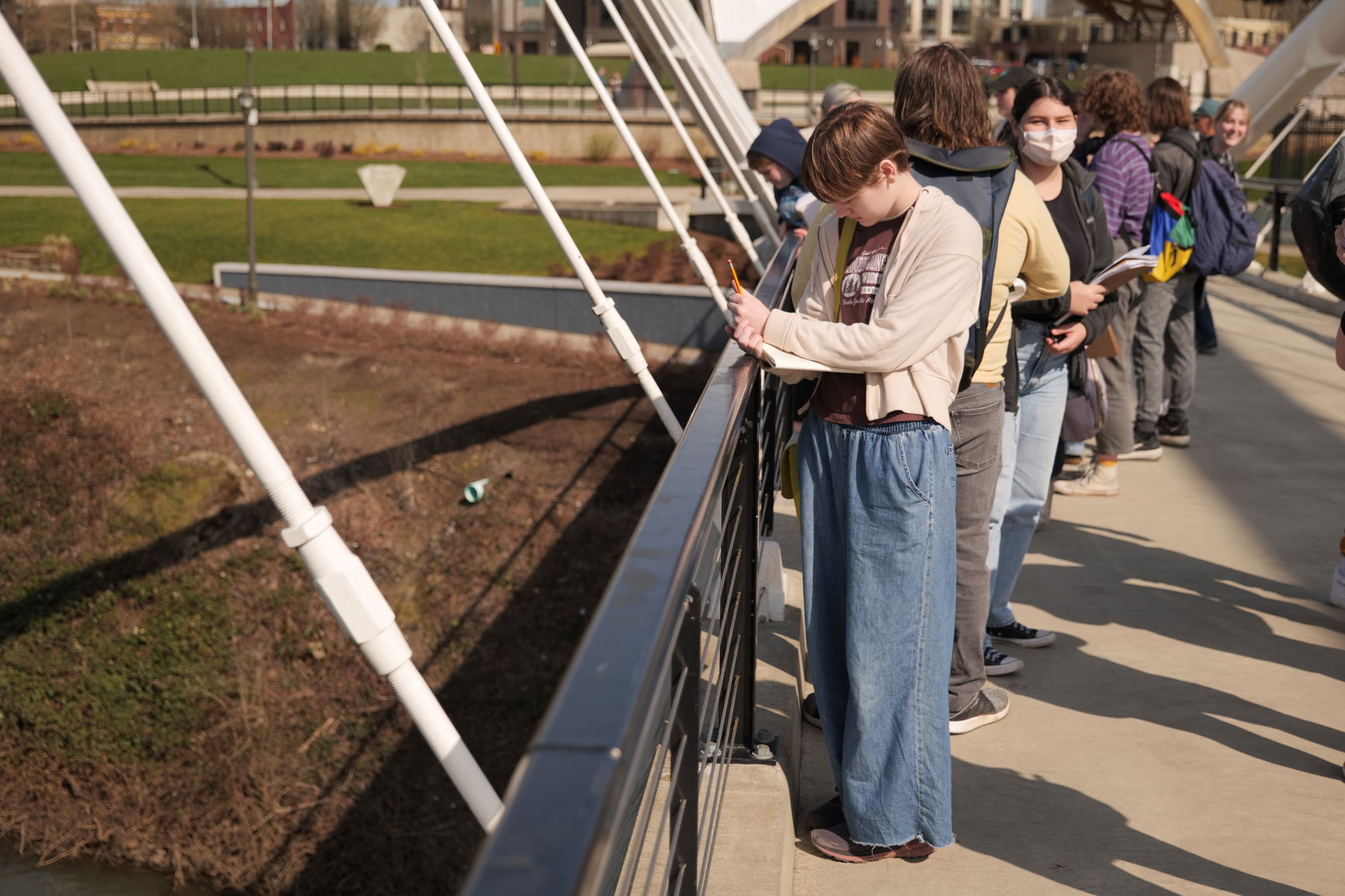
Group of people standing on a bridge, with one person in the foreground writing on a notepad.

Financial Aid and Scholarships

Willamette University offers generous merit scholarships and financial aid to Biology majors, with no separate application required. All admitted undergraduates are automatically considered for scholarships starting at $28,000 per year. For students with financial need and a passion for STEM, our STEM Fellows Program provides up to $5,000 annually for first-year students. This program includes mentorship, field trips, tutoring, and more, helping students succeed in their STEM careers.

Person writing in a notebook at a desk with a laptop, smartphone, ruler, pencils, and a water bottle.

FAQs

Biology is the study of life and living organisms. A biology major will learn about topics related to the structure, function, growth, evolution, and distribution of living organisms. 

They typically study:

  • Cell Biology: Understanding the structure and function of cells, the basic units of life.
  • Genetics: Studying heredity, genes, and the principles of genetic variation.
  • Anatomy: Exploring the structure and function of organisms and their systems.
  • Ecology: Examining how organisms interact with each other and their environments.
  • Development Biology: Investigating the processes that drive the diversity of life over time.

They also cover molecular biology, organic chemistry, and a variety of general biology concepts.

A biology degree leads to a wide range of career paths in various fields. Here are some common paths that biology graduates might pursue:

  • Physician/Surgeon: With additional medical training, biology graduates can become doctors.
  • Pharmacist: Specialize in the preparation and dispensing of medications.
  • Nurse: Provide patient care and support.
  • Dentist: Focus on oral health and treatments.
  • Physical Therapist: Help patients recover and improve physical function.
  • Veterinarian: Provide medical care to animals.
  • Research Scientist: Conduct experiments and studies in education, government, or industry.
  • Biotechnologist: Work on the development of new technologies and products using biological systems.
  • Microbiologist: Study microorganisms and their impact on humans, animals, plants, and the environment.
  • Geneticist: Research genes and genetic variation in living organisms.
  • Ecologist: Study ecosystems and the interactions between organisms and their environments.
  • Environmental Consultant: Advise on environmental policies and practices to ensure compliance.
  • Conservation Biologist: Work to protect and manage natural habitats and wildlife.
  • Marine Biologist: Study marine organisms and ecosystems.
  • Wildlife Biologist: Research and manage wildlife populations and habitats.
  • Teacher/Professor: Teach and conduct research.
  • Science Writer: Describe discoveries and developments with news and articles.
  • Medical Sales Representative: Promote and sell medications to healthcare professionals.
  • Quality Control Analyst: Ensure the safety and efficacy of drug products.
  • Clinical Research Coordinator: Manage clinical trials and studies.
  • Forensic Scientist: Analyze biological evidence in criminal investigations.
  • DNA Analyst: Work in crime labs to examine DNA samples.
  • Regulatory Affairs Specialist: Ensure that products comply with regulations and standards.
  • Biotech Marketing Specialist: Promote biotech products and services.
  • Policy Advisor: Work on science-related policies and regulations.
  • Public Health Specialist: Address health issues and promote wellness in communities.

A biology degree provides a strong foundation in the life sciences, critical thinking, and research skills. Many students exploring an undergraduate degree program also pursue graduate degrees and medical school.

Learn more about what you can do with a biology degree.

A biology minor can enhance your skill set, making you more versatile and marketable in different fields. Here are some ways you can leverage a biology minor:

  • Healthcare
  • Environmental Science
  • Wildlife Management
  • Teaching
  • Biotech and Health Industries
  • Research Assistance
  • Lab Technician

Minoring in biology can bolster your research skills and help you pursue different career paths.

Deciding to major in biology depends on your interests and career goals. If you enjoy studying the natural world and conducting experiments, a biology major could be a great fit. It provides a strong foundation in the life sciences.

A biology degree opens doors to various careers, from health science to education. If you're considering careers in medicine or research, a biology major can be a solid stepping stone. Reflect on your long-term goals to ensure this major aligns with your goals.

No matter what career you're interested in, Willamette offers support. We have a Career Development center to help students navigate the job market. We also offer guidance for those pursuing health professions.

Willamette University

Biology