Study Public Health

Improve lives and build healthy communities. Discuss disease prevention, access to care, and environmental health through our public health degree program.

Program Snapshot

Undergraduate Bachelor of Arts

Major, Minor

124

4 Years

Salem

Four students standing outside wearing safety vests and carrying clipboards.

Our Public Health Major & Minor

The charge of public health is to promote and protect the health and well-being of all people and their communities. Our Public Health Ethics, Advocacy, and Leadership program (PHEAL, pronounced ‘feel’) prepares students to engage in this important mission in diverse settings. Learn more about how a degree in Public Health can enhance your life and the lives of others.

Why choose Public Health at Willamette?

  • Build experience through student groups. Consider joining Willamette Emergency Medical Services or Burning Bright. Students can apply their knowledge to real-world experiences through student clubs on campus.
  • Gain different perspectives. Public Health is a global concern, impacting a variety of communities and cultures. Spend a semester abroad and gain an interdisciplinary education to develop a fuller perspective on public health. Students can also take courses related to public health in Willamette's graduate programs.
  • A pathway to a professional health degree. Our campus sits between the Oregon State Capitol and the Salem Hospital and students can witness how government and healthcare work together. Our college-wide pre-health advisory committee assists students with academic plans for further professional health degrees beyond Willamette.

Schedule a Visit Public Health Stories

Request Information

Do you have questions about the Public Health program at Willamette? Fill out this form and we'll get in touch!

Loading...

Sarah Jenner BA '25 took her public health education across the globe, spending a summer providing care in Ghana. Willamette's Career Development team and the Cahill Internship Fund helped her secure and fund the opportunity.

Sarah's Story

Sarah Jenner BA’25 experiences a life-changing public health internship in Ghana

The internship in Ghana gave Sarah hands-on experience in different sectors of the medical field -- including a family planning clinic, physical therapy ward, ER, and malnutrition ward. This opportunity allowed her to see the importance of public health and have a real impact on people's lives.

View Story
Sarah Jenner
Sarah lived and worked alongside other students, forming meaningful connections and immersing herself in the life of a public healthcare provider.

Opportunities Beyond the Classroom

Curious where this major can take you? These are the real internships, graduate opportunities, and careers our Public Health students have gone on to.

  • Willamette WEMS students

    Internships

    • Center for Health Policy
    • Community Health Education Center
    • Department of Health and Human Services
    • Meth Prevention Program
    • Office of Health Policy
    • Oregon Governor’s Office
    • Oregon Health Authority
    • Oregon School-Based Health Alliance
    • Salem Hospital
    • Tobacco Prevention and Education Program
  • A Willamette student outside a school of public health building

    Graduate School Destinations

    • Boston University School of Social Work
    • Brown University
    • Emory University
    • Harvard School of Public Health
    • Johns Hopkins University
    • Oregon Health & Science University
    • University of Copenhagen (Denmark)
    • University of Sheffield (UK)
  • A Willamette health student and professor in a classroom

    Employment Outcomes

    • AED Institute of America
    • Apria Healthcare
    • Birth to Three Developmental Center
    • Bill & Melinda Gates Foundation
    • Foundation for the Advancement of Military Medicine
    • Fred Hutchinson Cancer Research Center
    • Health Communities Institute
    • Institute for Healthcare Improvement
    • Multnomah County
    • Native American Health Program
    • Parkinson’s Center of Oregon
    • Peace Corps
    • Providence

Exceptional Outcomes

Our alumni have pursued graduate degrees and careers in public health. They've worked on the front lines during COVID-19 for the CDC and they've designed custom anesthetics for surgery patients. Our graduates are making a difference and helping the community around them.

  • Adrian Uphoff smiling and sitting on the floor of the Oregon State Capitol

    Adrian Uphoff ‘19

    Forming the future of policy.
    Adrian Uphoff ’19 earned dual Master’s degrees in Public Health and Public Policy from the University of Minnesota, led healthcare legislation in the Oregon Senate, and now supports Minnesota physicians in developing policy and advocacy strategies on population health and healthcare.

  • Montana Kekaimalu Hunter ‘21

    Willamette grad earns fellowship to participate in biomedical summer programs.
    Montana Kekaimalu Hunter ’21 earned a Master of Science in Epidemiology from Harvard T.H. Chan School of Public Health. They received fellowships and grants to complete biomedical summer programs at NYU Langone and Grossman School of Medicine Summer Undergraduate Research Program and the Mayo Clinic School of Biomedical Sciences Summer Undergraduate Research Program. Montana will begin medical school in Fall 2025.

    Portrait of Montana in a white lab coat against a white background.
  • A portrait of Nathan standing in a forest with a closeup on his face.

    Nathan Garcia-Diaz ‘23

    Forecasting Population Health.
    Nathan Garcia-Diaz ’23, a Graduate Research Fellow at Brown University School of Public Health, is completing an MPH using spatial modeling and machine learning to study socio-environmental factors in Rhode Island, with plans to pursue a CDC Applied Epidemiology Fellowship or a PhD in epidemiology.

Introducing Some of Our Faculty

Our faculty have published books, won awards, and applied their research to benefit communities. You'll have the ability to work closely with them through research projects and small class sizes. Faculty can also advise students interested in the Peace Corps or health professions careers.

  • Meet Professor Basu

    Dr. Sammy Basu specializes in both history and public health. Through his teaching on intellectual thought and public health ethics, he helps students critically engage with complex historical and contemporary issues.

    Professor Basu
  • Meet Professor Iroz-Elardo

    Dr. Nicole Iroz-Elardo focuses on planning healthier, equitable communities. She prepares students by leveraging expertise in social and environmental determinants of health, as well as her extensive experience in urban planning and public health.

    Professor Iroz-Elardo
  • Meet Professor Millen

    Dr. Joyce Millen is an expert in Medical/Health Anthropology and African Studies. She is committed to mentoring students as they conduct research, and pursue careers in international migration, public health, and global health.

    Professor Millen

Curriculum

Address complex modern challenges that affect us all. Students can collaborate with nearby communities and partners to investigate topics like vaccine coverage and food security. By learning concepts, theories, and ethics, students are prepared to build effective and well-planned public health programs.

  • PHEAL 301 Public Health Ethics

    Explore the roles of ethics, advocacy, and leadership in public health with case studies and evidence-based ethical deliberation. Open to all students, this course is ideal for those passionate about health and social justice.

  • PHEAL 214 Public Health Epidemiology

    Dive into the science of public health epidemiology to understand and prevent diseases while promoting health. Explore historical and current methods, case studies, and controversies like health disparities and data gaps to develop effective interventions.

Program Requirements

Our Public Health program requires 44 semester hours to complete the major, with a total of 124 credit hours required to complete the degree. Of those hours, 20 semester hours are core courses, 8 semester hours are dedicated Health courses, 4 semester hours are Public Engagement courses, 8 semester hours are allied concentrations, and 4 semester hours are an additional elective.

Students pursuing a minor will need to complete 24 semester hours in Public Health.

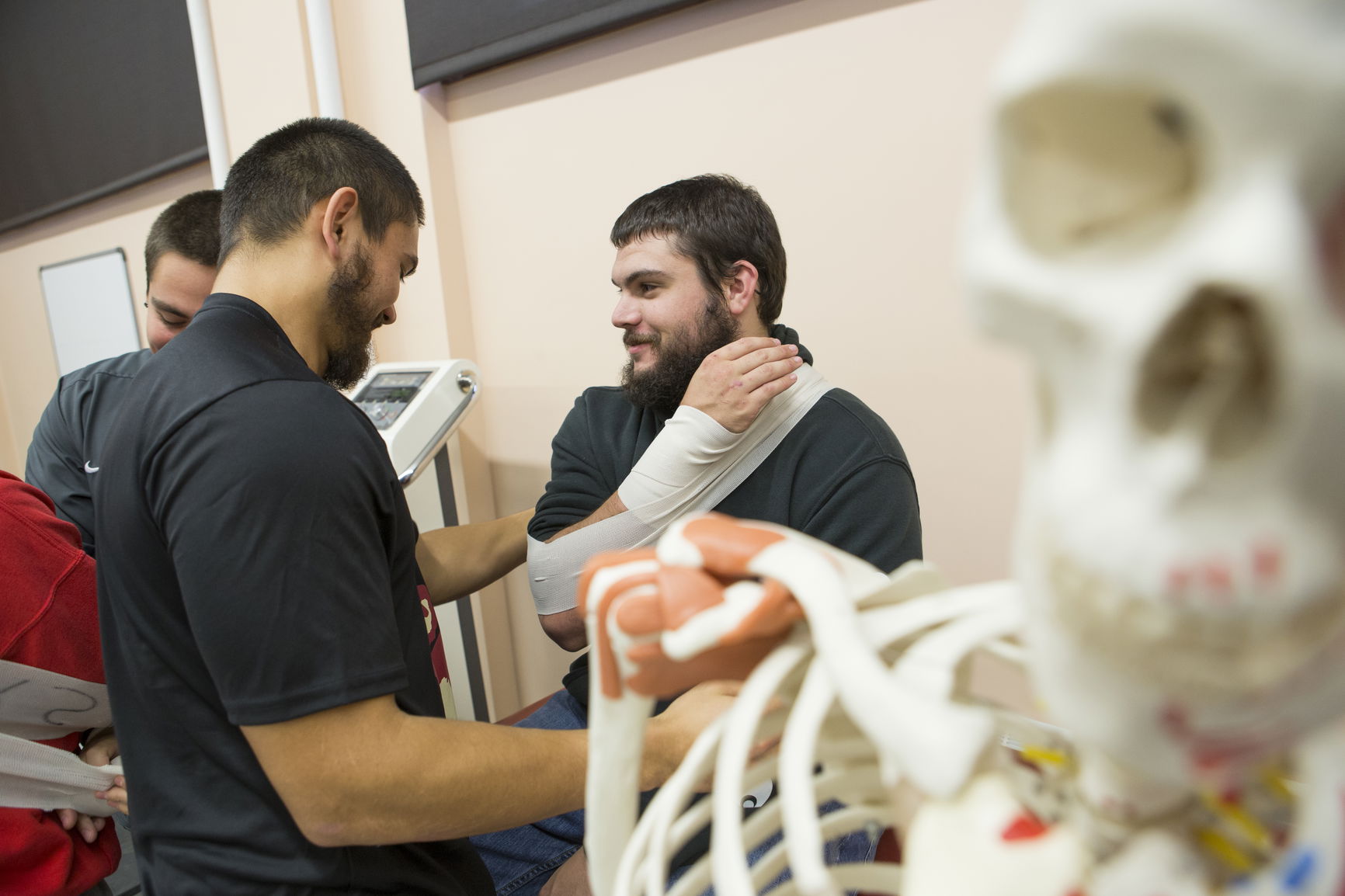
Man with arm in a sling being assisted by two others, with a skeleton model in the foreground.

Admissions Information

Our Public Health program is open to first-year students, transfer students and international students. Learn more about Willamette’s undergraduate admissions process to get started.

Students standing in front of a blue bus.

Financial Aid and Scholarships

Willamette University is committed to supporting Public Health majors with generous merit scholarships and financial aid. The Heatherington Public Health Scholarship awards up to $11,500 annually. All admitted undergraduate applicants are automatically considered for merit-based scholarships, starting at $28,000 per year. These scholarships are awarded based on academic excellence, taking into account cumulative GPA and SAT or ACT scores, if provided.

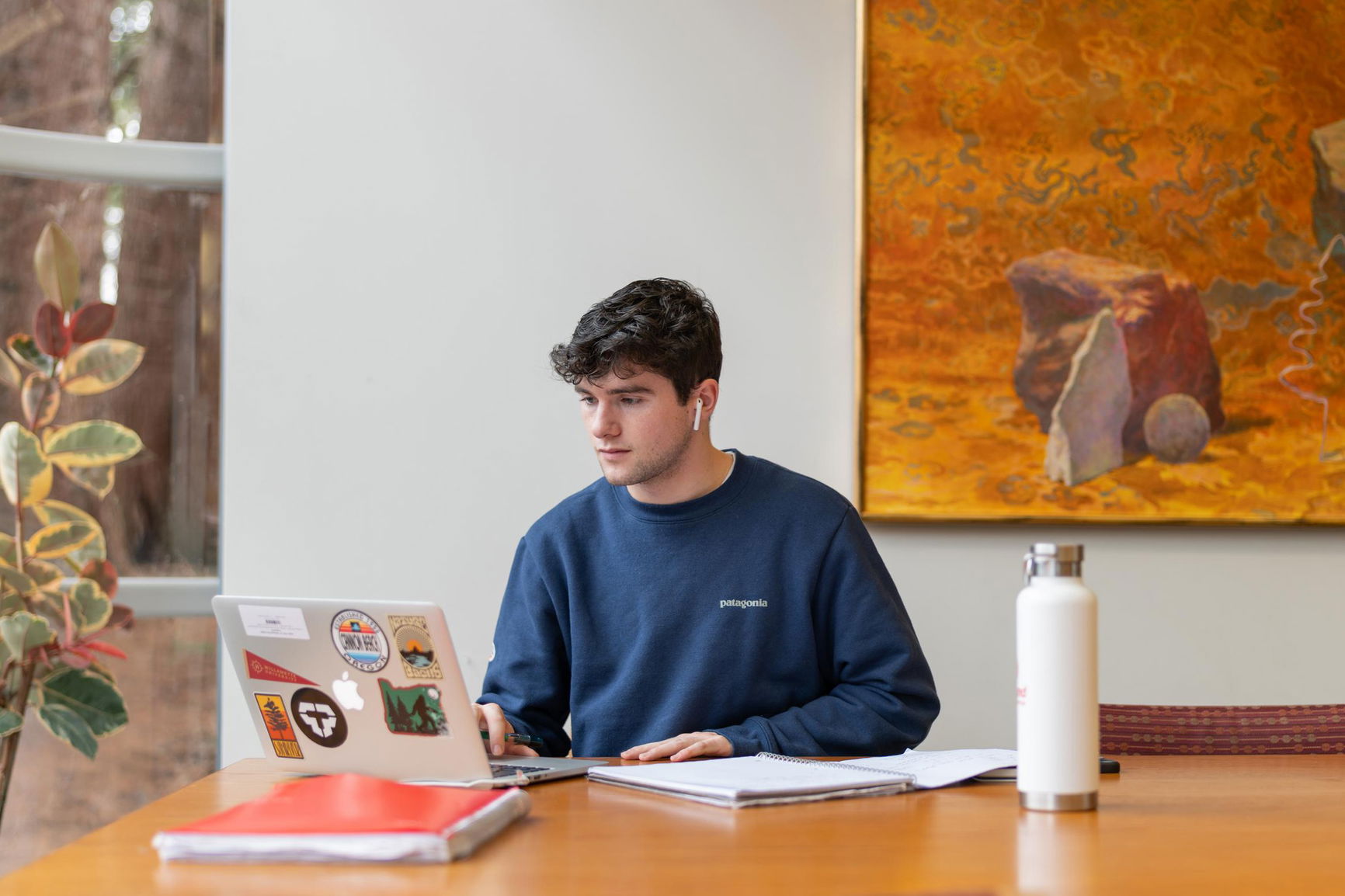
A student sitting at the table with a laptop in the library.

Public Health FAQs

A public health major focuses on the science and practice of improving the health of communities and populations. It involves studying a wide range of topics related to health, disease prevention, and health promotion. 

An undergraduate degree in public health leads to a wide array of career paths across various sectors. Here are some potential career paths and roles you can pursue with a public health degree:

  • Epidemiologist: Study the patterns, causes, and effects of health and disease conditions in defined populations.
  • Health Educator: Develop and implement strategies to improve the health of individuals and communities.
  • Public Health Analyst: Analyze health data to identify trends and evaluate the effectiveness of health programs.
  • Environmental Health Specialist: Investigate and address factors that can impact human health.
  • Health Policy Advisor: Work on the development and implementation of policies that impact public health.
  • Community Health Worker: Provide basic health and medical care to communities, focusing on preventive care and health education.
  • Biostatistician: Apply statistical methods to biological and health research to draw meaningful conclusions from data.
  • Public Health Consultant: Provide expertise and advice on public health issues and strategies to organizations and governments.
  • Global Health Professional: Work on health issues that affect populations worldwide, focusing on policy, disease prevention, and health promotion.
  • Public Health Program Manager: Plan, implement, and oversee public health programs and initiatives.

Students can also pursue additional education and earn a Master of Public Health degree. Learn more about what you can do with a public health degree.

Studying public health allows you to make a tangible difference by addressing pressing health challenges. Studying public health is a rewarding and impactful choice. You will:

  • Find personal fulfillment. Working in public health is highly fulfilling, as you contribute directly to the health and well-being of others.
  • Benefit from a holistic education. Public health combines knowledge from various fields, including biology, sociology, statistics, environmental science, and policy. This approach helps you develop a broad knowledge base and versatile skill set.
  • Explore diverse career paths. A degree in public health opens doors to various roles, including health education and policy-making. Choose to work in government, non-profits, private industry, or healthcare.
  • Make a positive impact on communities. Studying public health empowers you to improve the health and well-being of entire communities. By focusing on disease prevention, you contribute to creating healthier populations and reducing the burden of illness.
  • Address health disparities. Public health professionals strive to reduce health disparities and promote health equity. By focusing on underserved and vulnerable populations, you can help improve health outcomes for those who need it most.
  • Make a global impact. Public health extends beyond the United States. It addresses global health issues like infectious diseases, maternal and child health, and clean water access. You’ll have options to collaborate with organizations such as WHO, UNICEF, and NGOs.
  • Promote healthy lifestyles. Public health focuses on educating communities about healthy behaviors and lifestyle choices to prevent chronic diseases. You’ll have the chance to develop and implement programs that encourage good habits.
  • Engage in research and innovation. Public health offers ways to engage in cutting-edge research that advances our understanding of health and disease. This dynamic field constantly evolves with new technologies and scientific discoveries, keeping your work both challenging and exciting.
  • Influence health policy. As a public health professional, you have the power to influence health policies and advocate for changes. Your work can play a key role in shaping the future of healthcare and public health practices.

Willamette graduates have found a variety of jobs in the field of public health. Titles and roles include:

  • Supervisor, Native American Health program
  • Early Intervention Specialist, Birth to Three Developmental Center
  • Behavior Technician for children with autism
  • Recovery Coach for adolescent eating disorders
  • Marketing and Communications Coordinator, AED Institute of America
  • Researcher, Health Communities Institute
  • Coordinator, county tobacco prevention and education program
  • Learning Coordinator, Institute for Healthcare Improvement
  • Project Manager, State Meth Prevention Program
  • Community Program Manager, online health and wellness platform
  • Senior Research Associate, State Center for Health Policy
  • Clinical Research Coordinator, Parkinson’s Center of Oregon
  • Research Manager, Foundation for the Advancement of Military Medicine
  • Research Assistant, Fred Hutchinson Cancer Research Center
  • Sales Manager, Apria Healthcare
  • Peace Corps worker focusing on public health projects in Ghana, Senegal, Liberia, El Salvador

Students also hold professional credentials like:

  • Doctor of Chiropractic
  • Doctor of Dental Surgery
  • Doctor of Medical Dentistry
  • Doctor of Naturopathic Medicine
  • Doctor of Optometry
  • Doctor of Osteopathy
  • Medical Doctor 

Tackle complex 21st-century challenges and examine opportunities that affect population health at all stages of the human life cycle. Learn about new environmental threats and the entrenched inequities in access to healthy food, clean water, and healthcare. Examine new research opportunities and technological advances that can vastly improve the health and well-being of communities.  

Learning is not limited to the classroom setting. PHEAL students participate in community-based public health research, planning, and outreach. PHEAL students have been involved in an array of efforts, including but not limited to:

  • Researching carcinogens found in personal care products
  • Preparing communities for potential environmental health hazards and threats
  • Surveying and serving the unhoused
  • Decreasing food insecurity
  • Addressing dental health problems among school-aged children
  • Improving sexual health and safety education taught in area schools

PHEAL students are taught to critically assess changing patterns of health and disease. They work collaboratively to devise ethical and equitable public health interventions and advocate for changes that improve community health and wellbeing.

PHEAL students who choose to double major in natural and data science disciplines have opportunities to work with professors in STEM fields. They can work together to conduct research, present their findings at conferences, and publish in scientific journals.

All PHEAL students can take advantage of Willamette’s graduate schools and complete courses in these programs related to Public Health. Opportunities of this sort cannot be found at other private liberal arts universities in the Pacific Northwest. 

Willamette University

Public Health