Study Quantitative Economics

Use data, economic theory, and analytical tools to understand the forces that shape markets, policy, and people’s lives. Willamette’s BS in Quantitative Economics helps you ask better questions, test ideas with evidence, and communicate what your findings mean for real-world decisions.

Program Snapshot

Undergraduate Bachelor of Science

Major

124

4 Years

Salem

A student writing in a notebook

Our Quantitative Economics Major

The BS in Quantitative Economics combines the strengths of Willamette’s economics curriculum with coursework in data science, statistics, and computer science. You’ll learn to use tools like R and Python, evaluate evidence, build economic arguments, and explain complex findings clearly. This major is designed for students who want to study issues such as inflation, unemployment, poverty, environmental quality, regional development, and global economic change while developing the technical skills to analyze data and support better decisions.

Why choose Quantitative Economics at Willamette?

  • Study economics as both a social science and a tool for understanding the world. In small classes, you’ll work closely with faculty who know your interests and can help you connect coursework with research, internships, and career goals. Experience hands-on learning opportunities or work with the career development center to further your career goals.
  • Build quantitative skills in a liberal arts environment. You’ll study economics, statistics, data science, and computer science while also learning how to write, speak, and reason clearly about complex issues.
  • Learn in a place where policy is close by. Willamette’s campus is steps from the Oregon State Capitol, giving students a distinctive vantage point for studying public policy, regional economics, environmental issues, and civic decision-making. Build powerful connections for a future in economics.

Schedule a Visit

Request Information

Do you have questions about the Quantitative Economics program at Willamette? Fill out this form and we'll get in touch!

Loading...

For Jeremy Coste BA’17, studying math and economics helped launch a fast-rising career in algorithmic trading and financial analytics at Bank of America.

Jeremy's Story

One of the Youngest Directors at Bank of America

After graduating from Willamette, Jeremy earned a master’s degree in financial engineering at Columbia University. He then began work in quantitative trading at Bank of America. His background helped him advance rapidly into leadership roles focused on electronic trading and client consulting.

View Story
Jeremy Coste BA’17
Jeremy represented Willamette at the International Collegiate Business Strategy Competition, presenting to a Board of Directors, often comprised of Forbes 100 executives

Alumni Stories

  • Connor Bailey BA’19, MBA/MS ’22

    Connor Bailey BA’19, MBA/MS ’22

    Turning a passion for sports and data into a career with the San Diego Padres
    Connor Bailey BA’19, MBA/MS’22 built a career in analytics that led him to Major League Baseball. He now works as a business analyst for the San Diego Padres. He supports the club’s business operations with data analysis.

  • Emily Brixey ’15

    Emily Brixey BA’15

    Building a career at the intersection of education policy, research, and advocacy
    Emily Brixey BA’15 built a career focused on improving educational outcomes for students. She now partners with state leaders to develop and implement policies that support personalized, competency-based learning. 

Introducing Some of Our Faculty

Study economic issues with faculty who value clear thinking and data. Our professors bring expertise in economic theory, statistics, and public policy. Find mentorship with professors who know who you are and can help support your career goals, research opportunities, and academic interests.

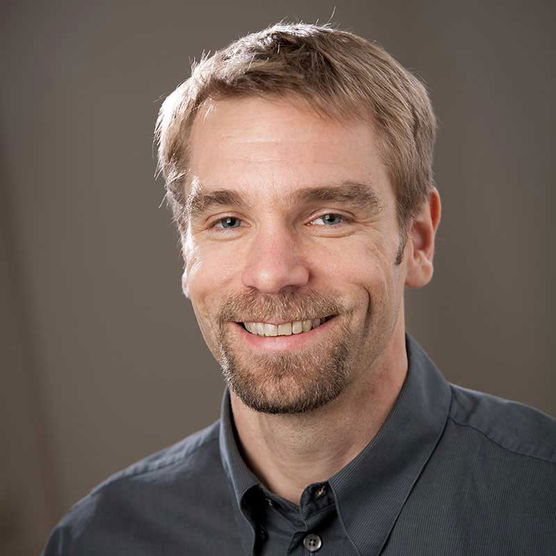
  • Meet Professor Sivers Boyce

    Dr. Nathan Sivers Boyce specializes in microeconomics, economic statistics, and econometrics. He researches local policy issues and environmental agreements.

    Headshot of Dr. Nathan Sivers Boyce
  • Meet Professor Knight

    Dr. Tabitha Knight is a feminist macroeconomist whose research explores gendered labor markets, economic development, and international trade and finance.

    Dr. Tabitha Knight
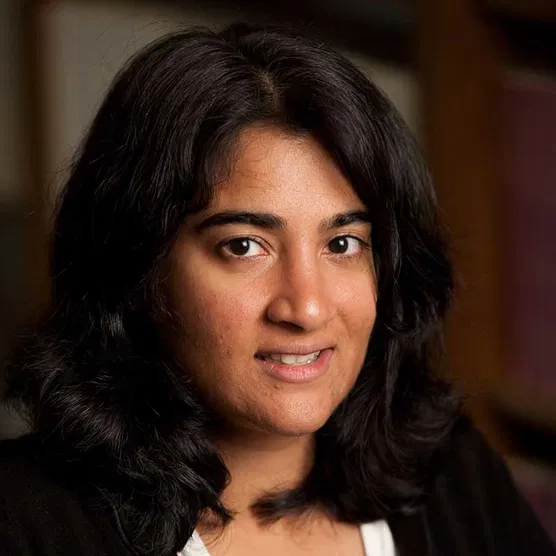
  • Meet Professor Mascarenhas

    Dr. Raechelle Mascarenhas specializes in development economics and economic policy, with a focus on foreign aid, remittances, and global economic systems.

    Dr. Raechelle Mascarenhas

Curriculum

Learn how to see economic theories as arguments and understand how they are built. Use data, models, and statistics to study prices, markets, and decisions. Students can expect hands-on learning, finding opportunities through research, projects, and internships. Take courses in economics, math, statistics, computer science, and data science to help you connect theory with data.

  • ECON 363: Microeconomic Theory

    Study how people, businesses, and markets make decisions in a market economy. Use economic models to study prices, production, competition, income, and wealth.

  • DATA 151: Introduction to Data Science with R

    Learn the basics of data science with R and turn raw data into useful insights. You'll create data visualizations, analyze data, and learn how to use data responsibly while working with datasets.

Program Requirements

Our Quantitative Economics major requires 11 courses to complete, with a total of 124 credit hours required to complete the degree. Students cannot pursue both a BA in Economics and a BS in Quantitative Economics.

Two students writing on a piece of paper on the whiteboard

Admissions Information

Our program is open to first-year students, transfer students, and international students. Explore our undergraduate admissions process.

One student studying in the library and using a laptop

Financial Aid and Scholarships

Willamette is committed to supporting majors with generous merit scholarships and financial aid. The admissions team considers all admitted undergraduate applicants for merit-based scholarships starting at $28,000 per year. They consider academic excellence, focusing on your overall GPA and SAT or ACT scores, if provided.

A row of students in a classroom with laptops in front of them and colorful sticky notes behind them

FAQs

Quantitative economics uses math, statistics, and data to study how economies work. Building off economic theory, the field uses models and data to answer real questions about markets and policy.

Students turn economic ideas into equations and test them with data. They use the results to explain and predict economic outcomes. They also study issues such as inflation, unemployment, poverty, the environment, city and regional challenges, and global economic issues.

Our Bachelor of Science in Quantitative Economics prepares students to study these issues using data and economic models. Students gain hands-on experience through research and courses across a variety of academic fields.

With a bachelor’s degree in quantitative economics, students can pursue careers in government, consulting, nonprofits, and the private sector. The program prepares graduates for options that use data to solve problems and support decisions.

Career paths may include:

  • Economic Consultant
  • Public Policy Analyst
  • Data Analyst
  • Budget Analyst
  • Risk Analyst
  • Actuarial Analyst
  • Quantitative Analyst
  • BI Analyst

Absolutely! Whether you're considering graduate school or a career in economics, quantitative economics is a great choice. Majors develop skills that employers value, such as modeling, statistics, and data analysis. They also learn how to interpret data and explain their findings to a wide range of audiences.

If you're considering graduate study in economics, you’ll need a strong foundation in math and analytical skills. Students interested in graduate school should also take courses such as Multivariable Calculus, Linear Algebra, Differential Equations, and Real Analysis.

Willamette University

Quantitative Economics

  • Salem Campus

    Address

    900 State Street
    Salem Oregon 97301 U.S.A.