3+2 Forestry Program

Create a sustainable future and address major environmental issues. Earn a degree in Forestry through our joint degree program.

Program Snapshot

5 Years

Salem

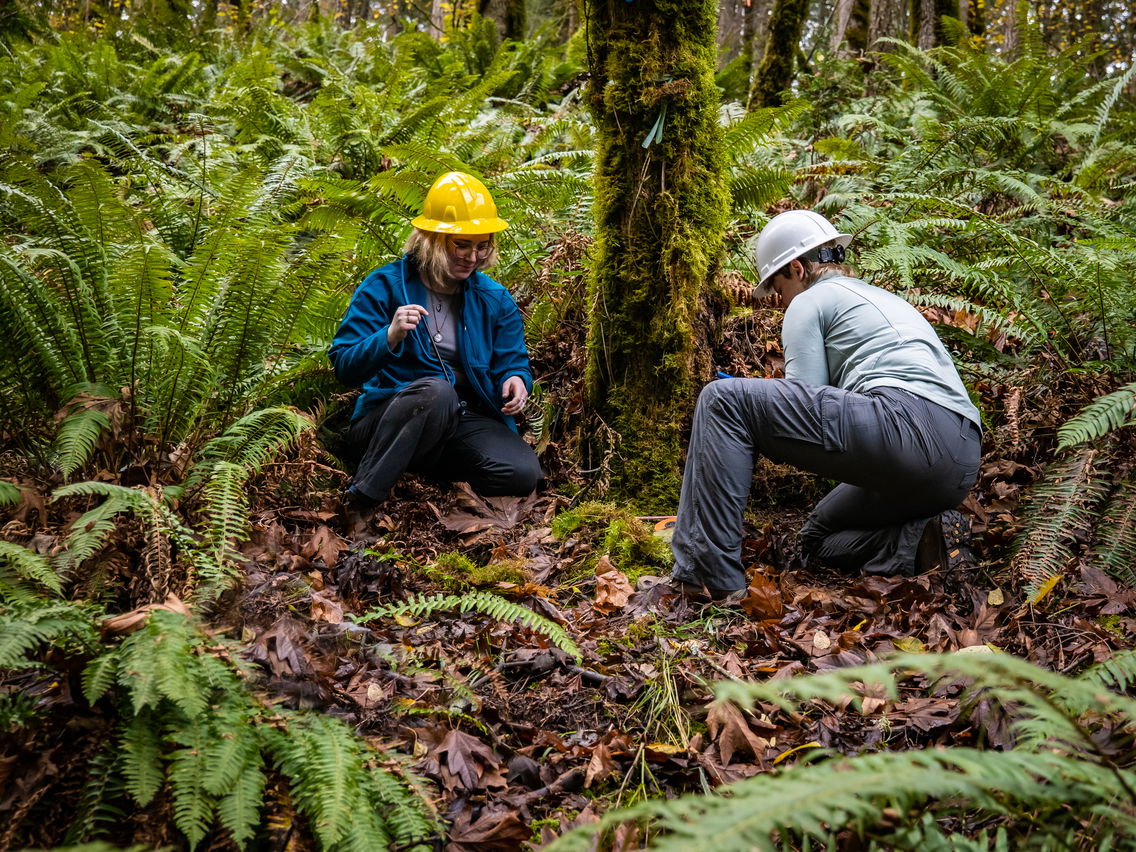
Two students working in yellow hard hats on a tree in the forest at WU at Zena.

Combine an Undergraduate Degree with a Forestry Master's Program

You don't have to major in forestry to earn a forestry degree. Willamette University has partnered with top forestry programs at Oregon State University and Duke University to provide additional opportunities for students. The 3+2 Forestry program offers an easy path toward a forestry master's program.

Why choose the 3+2 Forestry Program at Willamette? 

  • Hands-on learning options. Engage in fieldwork, research, and practical exercises at Willamette at Zena. Take advantage of our 305-acre property featuring oak and mixed woodlands, riparian zones, grasslands, wetlands, and forest plantations.
  • Combine liberal arts with forestry. Expand your knowledge through a strong liberal arts education. Complete both your bachelor's degree and master's degree quicker, saving you time and money.
  • Join a culture of sustainability. We put an emphasis on sustainability. Join action-orientated student clubs or consider minoring in sustainability. Find thoughtful decisions when dining, walking around the grounds, or even university initiatives.

Schedule a Visit

Request Information

Do you have questions about the Forestry 3+2 program at Willamette? Fill out this form and we'll get in touch!

Loading...

Dual degree student Katie Hill '23 used the resources of two universities to delve into her passion for environmental advocacy. Encouragement from Willamette faculty led her to explore the possibility of pursuing the 3+2 Forestry program.

Katie's Story

Katie Hill BA’23 studies the hidden heroes of our ecosystems

Research opportunities during her junior year influenced Katie's in fungi. She mapped fungi at Willamette University at Zena, our 305-acre living laboratory, which helped her develop her work related to climate change and the vital role fungi play in preserving our planet.

View Story
Katie Hill BA’23
Katie was the first graduate of the 3+2 Forestry program through Willamette and Oregon State University.

Curriculum

Develop a deeper understanding of natural resource management through our degrees. While we don't offer a forestry major, students pursue a variety of majors within our 3+2 Forestry program. Many students choose to explore environmental science and sustainability to discuss urban forestry and forest health. We've partnered with two forestry graduate programs for students to consider.

  • The Oregon State Forestry Program

    The OSU forestry program, located near Willamette, offers students an easy pathway toward their goals. Students will have a chance to establish relationships with OSU graduate faculty. They'll also become familiar with OSU’s College of Forestry during their bachelor’s degree experience.

    After completing three years of coursework at Willamette and maintaining a minimum GPA of 3.0, the OSU Master of Forestry program will consider students for provisional admission. Students will have the choice to pursue a Sustainable Forest Management degree or a Forest Ecosystems and Society degree. To be eligible, students must declare their intention to enroll in the Oregon State Forestry program by their third year. They will also need to formally apply to OSU according to graduate school admission deadlines.

    Please see our sample timeline to map out your path to a master’s degree in forestry at OSU.
  • The Duke University Forestry Program

    Duke University’s Nicholas School of the Environment provides a path to a master’s degree in environmental management or forestry.

    After completing three years of required coursework at Willamette, students can begin pursuing a Forestry master's program at Duke. You can choose to pursue a 3+2 format or a 4+2 format to fit your schedule. The program requires the following prerequisites:

    • Natural or social science courses related to your area of interest
    • College-level course in Calculus (required)
    • College-level course in Statistics (required)
    • Undergraduate experience and training in professional writing

    You must earn a grade of B- or better in each prerequisite course and earn college credit for it to count toward the prerequisite. Pass/Fail and self-paced courses are not acceptable.

Program Requirements

Students must complete all undergraduate requirements to transfer to one of our partner schools to pursue their Master’s degree in forestry. They will then have to work with the Forestry program at either Duke or OSU to meet their degree requirements.

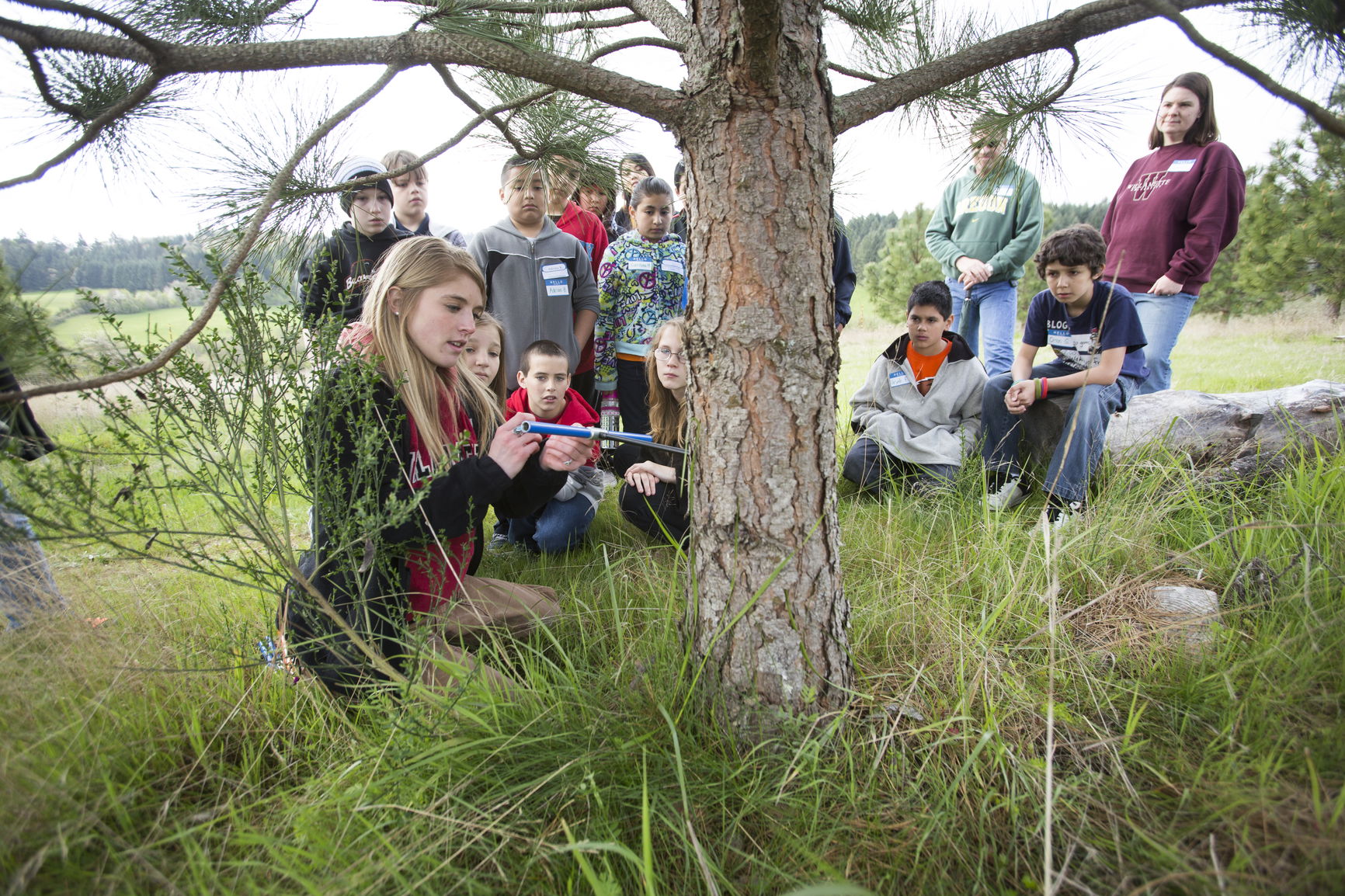
A student inspecting a tree in front of students

Admissions Information

While students can choose any undergraduate major at Willamette, the Forestry programs at our partner schools have specific requirements for admission. Students should review the admissions process for their chosen program to ensure they meet all requirements.

A student taking a photo in a green forest

FAQs

Here are some paths you can pursue with a forestry degree:

  • Forest Management
  • Conservation and Ecology
  • Natural Resource Management
  • Environmental Education and Outreach
  • Research and Technology
  • Policy and Advocacy
  • Private Sector and Consulting
  • International Opportunities
  • Specialized Roles
  • Further Education and Research

It's an academic program that prepares students for careers related to the management, conservation, and sustainable use of forests. It combines knowledge from various disciplines to equip students with skills to address the challenges facing forests and ecosystems. It discusses:

  • Forest Ecology
  • Silviculture
  • Forest Management
  • Wildlife Management
  • Soil Science
  • Hydrology
  • Forest Economics

Students will develop skills in a variety of areas that include:

  • Geographic Information Systems (GIS)
  • Remote Sensing
  • Data Collection and Analysis
  • Fire Management

A forestry degree can lead to a variety of careers. These careers can be found in various settings, including government agencies (like the United States Forest Service), non-profit organizations, private forestry companies, and educational institutions. Here are some common job options: 

  • Forester: Manages and protects forests by overseeing tree planting, forest regeneration, and conservation efforts.
  • Conservation Scientist: Focuses on conserving soil and water resources, often working on sustainable land use practices to protect natural habitats and ecosystems.
  • Wildlife Biologist: Studies and manages wildlife populations and their habitats. This role often involves conducting field research and working to protect endangered species.
  • Forest Technician: Assists foresters in managing forest lands by conducting surveys, mapping forest areas, and collecting data on forest conditions.
  • Urban Forester: Manages trees and green spaces in urban environments, focusing on the health and sustainability of city trees and parks.
  • Environmental Educator: Educates the public, students, or professionals about environmental conservation, sustainable practices, and the importance of natural resources.
  • Forest Ranger: Works in national or state parks, enforcing regulations, conducting search and rescue operations, and educating the public about the environment.
  • Silviculturist: Specializes in the growth, cultivation, and management of forest trees, focusing on improving forest productivity and health.
  • Natural Resource Manager: Oversees the sustainable management of natural resources, including forests, water, and wildlife.
  • Ecologist: Studies ecosystems, including forest ecosystems, to understand relationships between organisms and their environment, often working in research or conservation roles.
  • Timber Harvesting Manager: Manages the process of timber harvesting, ensuring that it is done sustainably and in compliance with regulations.
  • GIS Specialist: Uses Geographic Information Systems (GIS) technology to map and analyze forest data, which is crucial for forest management and planning.

It depends on the level of education you pursue.

  • An Associates Degree takes around two years.
  • A Bachelor's Degree takes four years.
  • A Master's degree takes an additional two years after the bachelor's degree.
  • A Ph.D. takes between three to five years on top of a bachelor and master's degree.

Our 3+2 program allows you to complete a bachelor's degree and master's degree in just five years. Save money and start your career earlier through our joint degree.

Willamette University

Contact Willamette