Types of Aid

No matter where you are in your educational journey, Willamette University offers many financial aid options, including scholarships, grants, campus employment and flexible payment plans.

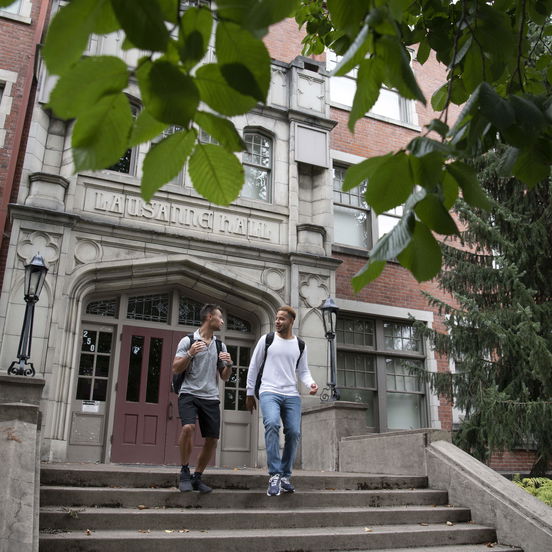
Two Willamette students walk down the steps of the Lausanne Hall dorm, a brick building surrounded by foliage

Willamette Scholarships

Scholarships are financial aid awards that do not need to be repaid. Willamette University offers merit and competitive scholarships, and students may also seek out private scholarships from organizations of all kinds. 

Scholarships can be stacked with other financial aid awards, and they are often renewable from year to year if certain conditions are met.

Types of Scholarships

Learn more about scholarships options from Willamette and beyond.

All undergraduate applicants, including transfer students, are automatically considered for merit scholarships, which start at $25,000 per year.

These awards are based on academic performance, and they also consider other aspects of the application, such as extracurricular and community involvement.

Learn More About Merit Scholarships

Incoming students may also apply for competitive scholarships that align with their talents and interests. Awards are available in areas such as:

  • Data Science
  • Debate
  • Environmental Science
  • Music
  • Public Health
  • Studio Art
  • STEM
  • Theatre 

Additional offerings, like the Schmidt Scholars Program, are based on financial need.

Learn More About Competitive Scholarships

Current Willamette students may be interested inor eligible fora variety of other institutional scholarships. These awards often focus on leadership ability, community service, and other characteristics.

Explore Scholarship Opportunities

Beyond merit and competitive scholarships offered by Willamette University, students of all class years may wish to explore opportunities from corporate foundations, industry/scholarly associations, nonprofit agencies, and other organizations.

There are several databases to start your search, including FastWeb.

Here are some tips to help in the scholarship search process:

  • Start Early: Begin your scholarship search in the fall of your senior year to maximize your opportunities.
  • Seek Support: Connect with your high school counselor for guidance and resources to help streamline your search.
  • Get Involved: Engage in activities and community service that demonstrate leadership and a commitment to helping others—qualities scholarship committees prioritize.
  • Research Broadly: Explore national scholarship databases like Fastweb.com, but be aware that no single site covers every opportunity. Keep searching!
  • Leverage Local Connections: Check with employers, civic organizations, and clubs that you or your family members are part of—they may have scholarships not advertised nationally.
  • Stay Organized: Use a notebook to keep track of each scholarship. Include sections for activity lists, essays, recommendations, and application deadlines.
  • Meet Deadlines: Arrange applications by their due dates. Late submissions aren’t considered, so send in your completed materials well in advance.
  • Request Recommendations Early: Ask for recommendations early and, if needed, provide stamped, addressed envelopes with deadlines clearly noted.
  • Avoid Scams: Never pay or provide credit card information to apply for a scholarship or to access a scholarship search service.
  • Keep Applying in College: Continue searching for and applying to scholarships even after enrolling in college.
  • Be Persistent: Apply, apply, apply—persistence pays off!

Student Loans

Student loans can help cover the gaps between cost of attendance and any other financial aid received. Eligibility for federal student loan programs is determined by the FAFSA.

Most federal student loan programs offer a fixed-interest rate (at lower rate than private lenders) and flexible repayment plans.

Explore All Loan Options

Student Loan Programs

The federal government offers several student loan programs:

Key details about the federal subsidized loan:

  • This program offers loans up to $5,500 per year.
  • Interest begins accruing after the loan goes into repayment.
  • Repayment begins six months after graduation.

Key details about the federal unsubsidized loan: 

  • This program offers loans up to $7,500 per year.
  • Interest begins accruing after the loan is disbursed.
  • Repayment begins six months after graduation.

These loans allow parents with good credit histories to borrow on behalf of their dependent children. Key details about the PLUS loan: 

  • This program offers loans up to the cost of the education.
  • Interest begins accruing after the loan goes into repayment.
  • Repayment generally begins two months after the loan is disbursed.  

These loans are offered to students with exceptional financial need. Key details about the Perkins loan: 

  • This program offers loans up to $3,000 per year.
  • Interest begins accruing and repayment begins nine months after graduation (or after enrollment changes to less than half time).  
Some parents may wish to consider an educational loan from their bank or credit union. Read more about the difference between federal and private student loans.

Grants for Willamette Students

Grants are need-based awards that do not have to be repaid. Eligibility for grants is determined by the FAFSA, and options include the Federal Pell Grant and the Oregon Opportunity Grant—as well as offerings directly from Willamette University.
A student walks down a broad sidewalk between two buildings on the Willamette University campus in the early morning

Student Employment Opportunities

All across campus, you’ll find students contributing time and talents to keep operations afloat—all while gaining valuable career skills. These part-time positions are often funded by the federal work-study program as part of a financial aid award package, but campus employment is open to all students.

The interior of Ford Hall's Learning Commons at Willamette University, an open room with glass walls and several tables

Billing & Financing Options

Once you’re officially enrolled, the Student Account Office will issue your bills and invoices. This is also the office you’d contact about setting up payment plans.

A cherry blossom tree in bloom overlooking Willamette University's Mill Stream

Willamette University

Office of Financial Aid