
Internships
- Equitable Advisors
- HSBC
- MAVS KC
- Multnomah County
- Optiver
- Peace Corps
- State of Oregon
- Straub Outdoors
- Talking Rain Beverage Company
- Tocura Healthcare Staffing
- Tremblay Financial
- UW Health
Explore how private interests, public institutions, and interest groups shape social issues. Make positive change through our economics program.
Undergraduate Bachelor of Arts
Major, Minor
124
4 Years
Salem
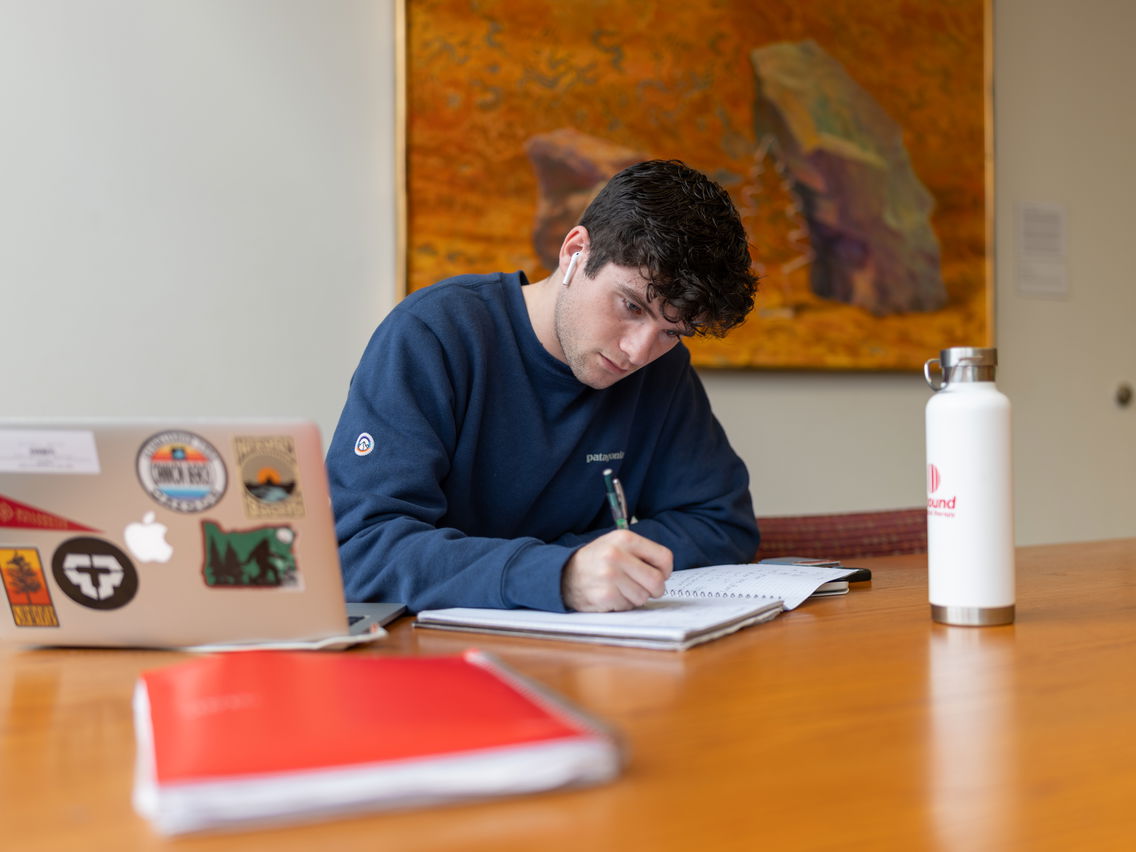
For Chris Brown BA '23, an internship with Alaskan Senator Dan Sullivan opened doors and offered an inside look at the legislative process -- setting him on a path to his career.
Over the course of his internship, Chris had the opportunity to sit in on weekly Senate meetings and observe discussions between Alaskan ambassadors and Native American leaders. He also contributed to developing a bill focused on returning Native cultural artifacts.
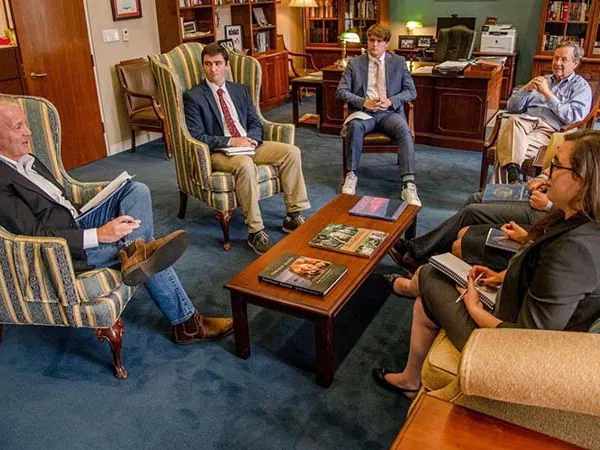
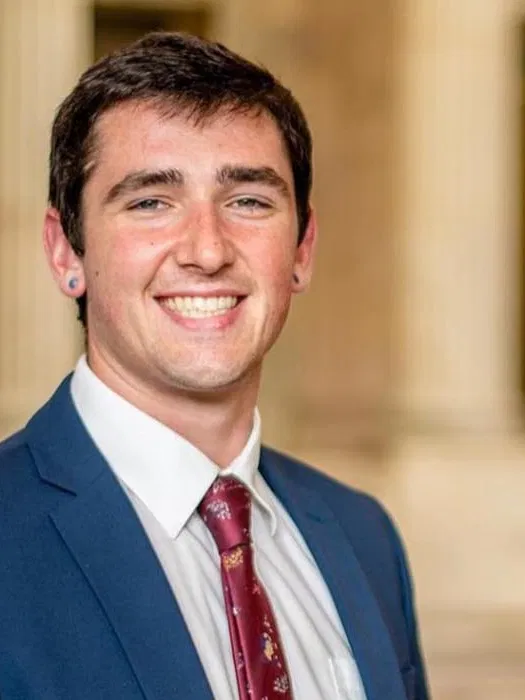
Curious where this major can take you? These are the real internships, graduate opportunities, and careers our Economics students have gone on to.


Our strong alumni network includes leaders in business, law, politics, education, finance, and public administration. Our students have analyzed international economics issues, changed public policies, and worked for consulting firms.
Emily Brixey ’15 credits Willamette for opening doors to her fulfilling career.
Emily Brixey ’15 navigates education policy at KnowledgeWorks, advocating for personalized competency-based learning. Her career journey, from the Oregon State Senate to the Education Commission of the States, reflects her interdisciplinary approach.
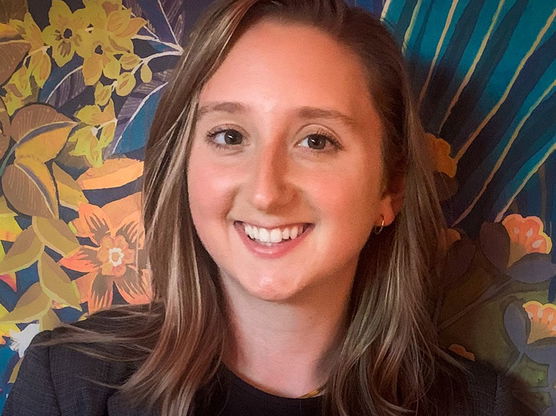
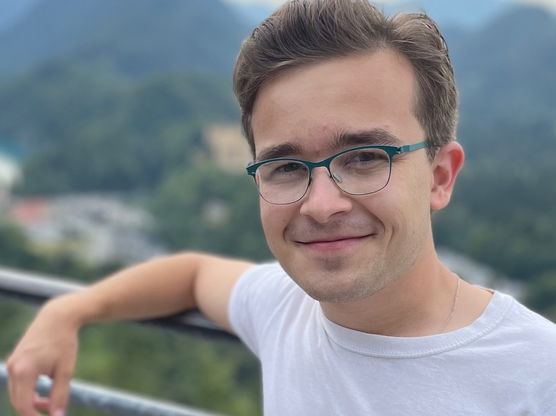
Jeremy Coste ’17 gives thanks to collaborative environments and close relationships with professors.
A double major in Mathematics and Economics, Jeremy Coste ’17 became one of Bank of America's youngest directors at just 24. His journey started at Willamette, where he represented the university at the International Collegiate Business Strategy Competition.
Connect with trailblazers who have made a name for themselves in the industry. With backgrounds in finance, economics, and political science, our faculty members can help you broaden your education. Work with professors in small classes to foster a deeper grasp of the subject.
Dr. Nathan Sivers Boyce specializes in teaching microeconomics, environmental economics, economic statistics, and econometrics. His research focuses on economic curriculum and pedagogy, local policy issues, and the economics of international environmental agreements.
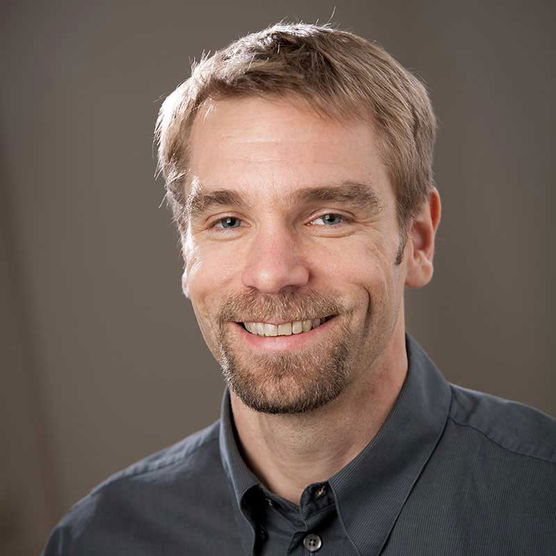
Dr. Tabitha Knight is a feminist macroeconomist whose research examines gendered labor markets, economic development, and international trade and finance. Her students benefit from her approach, which spans economics, international studies, and gender studies.

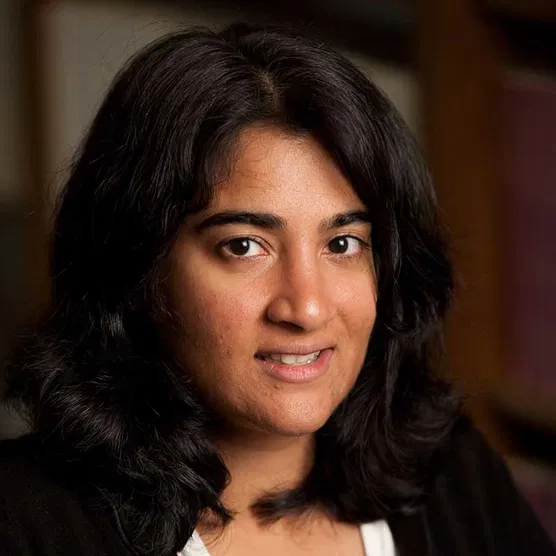
Dr. Raechelle Mascarenhas specializes in the political economy of development, with a focus on foreign aid, remittances, and economic policy in South Asia. Her students benefit from her expertise in microeconomics and the role of government in the economy, as well as her research on global economic challenges.
Gain a solid foundation in economic theory, quantitative analysis, and critical thinking skills. Through small class sizes, you'll receive one-on-one attention and ample opportunities for engaging in discussions and collaborative projects. Apply economic and social science concepts to real-world problems.
Discover the factors behind wage disparities, the cost of basic goods, and the economic implications of climate change. You'll explore modern issues through a pluralistic framework, gaining insights into market institutions, government policies, and societal structures.
Explore alternatives to capitalism, where you'll engage with critical arguments from the production/conflict/labor theory of value tradition. Delve into the critiques of capitalism, analyze historical attempts at socialism, and investigate innovative proposals for future economic systems.
Economics requires 9 courses or 36 semester hours to complete the major, with a total of 124 credit hours required to complete the degree.
Students pursuing an Economics Minor will need to complete 20 semester hours.

Our Economics program is open to first-year students, transfer students, and international students. Learn more about Willamette’s undergraduate admissions process to get started.

Willamette University proudly offers generous merit scholarships and financial aid to our students. There is no separate application required to be considered for these scholarships. All admitted undergraduate applicants are automatically evaluated for merit-based scholarships, which start at $30,000 per year. These scholarships are awarded in recognition of academic excellence, taking into account cumulative GPA and SAT or ACT scores, if taken.

Willamette University