
Internships
- Chachalu Tribal Museum
- City of Salem
- Hallie Ford Museum of Art
- High Atlas Foundation
- Ness of Brodgar Archaeological Field School
- NOAA
- Oregon Archaeological Society
- San Diego Archeological Center
- University of Tennessee
Explore human behavior and culture from ancient to modern times through hands-on experience working with excavations and material culture.
Undergraduate Bachelor of Arts
Major, Minor
124
4 Years
Salem

Archaeology students spent six weeks in Athens and the island of Naxos studying the use and extraction of marble in ancient Greece. The project was funded by a National Science Foundation grant and supported three cohorts of student researchers.
This project gave students opportunities to act as field researchers and implement solutions to the challenges of studying ancient sites. Logan Banks '24 became the first scholar to use multispectral image analysis to study ancient quarries, exploring a new method of mapping vegetation.


Curious where this major can take you? These are the real internships, graduate opportunities, and careers our Archaeology students have gone on to.


From excavation sites to ground-breaking finds, our alumni have made an impact. Some have even been featured in National Geographic. Our liberal arts education equips students with a diverse set of skills applicable to various industries and job titles.
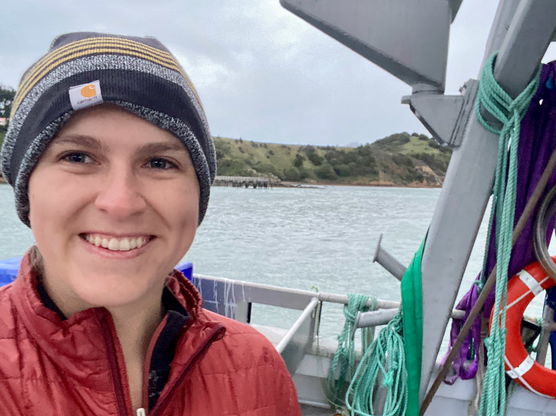
NOAA Ocean Conservation Scholar
Ella Ashford, awarded NOAA's prestigious scholarship, prepares for a career in ocean conservation research. She is leveraging Willamette's support and prior real-world research experiences to apply technology to surveying and conservation.
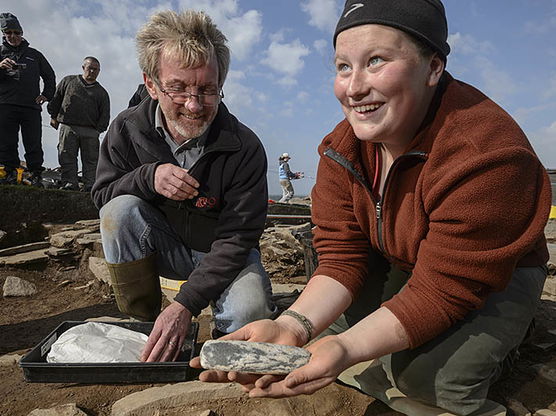
Willamette grad travels to work on excavating Neolithic site
Jo Heupel '14, featured in National Geographic's "Before Stonehenge," spent four weeks with international archaeologists excavating the Neolithic Ness of Brodgar site in the Orkney Islands.
Our professors have extensive experience as field archaeologists. They will inspire you to dig, to search, and to illuminate the shadows in human history. Learn about different time periods and tackle research projects with one-on-one support and small class sizes.
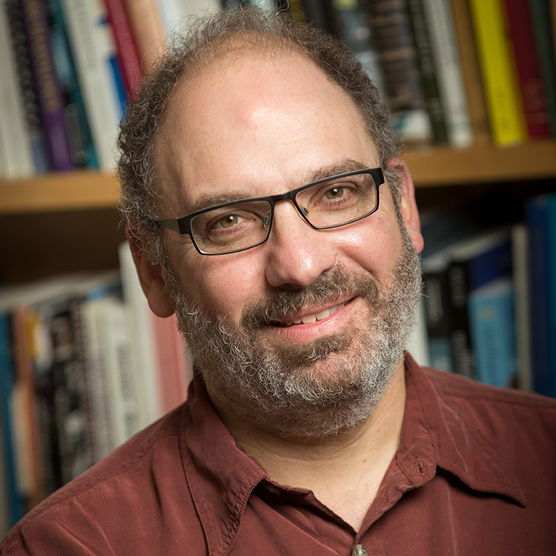
Dr. Scott Pike's background is in interdisciplinary research in geology and archaeology. His courses offer hands-on experiences, preparing students for excellence in both academic and professional pursuits.
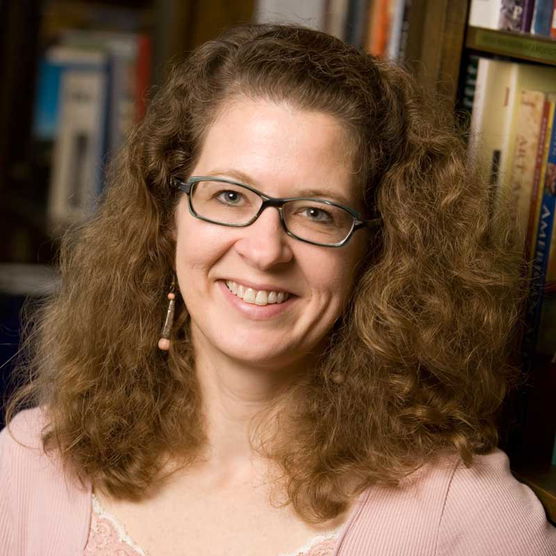
Dr. Ann Nicgorski specializes in Greek and Roman Art History, and is known for her extensive fieldwork as an archaeologist. An award-winning educator, she utilizes her professional acumen within the field of archaeology to prepare her students for exciting opportunities.
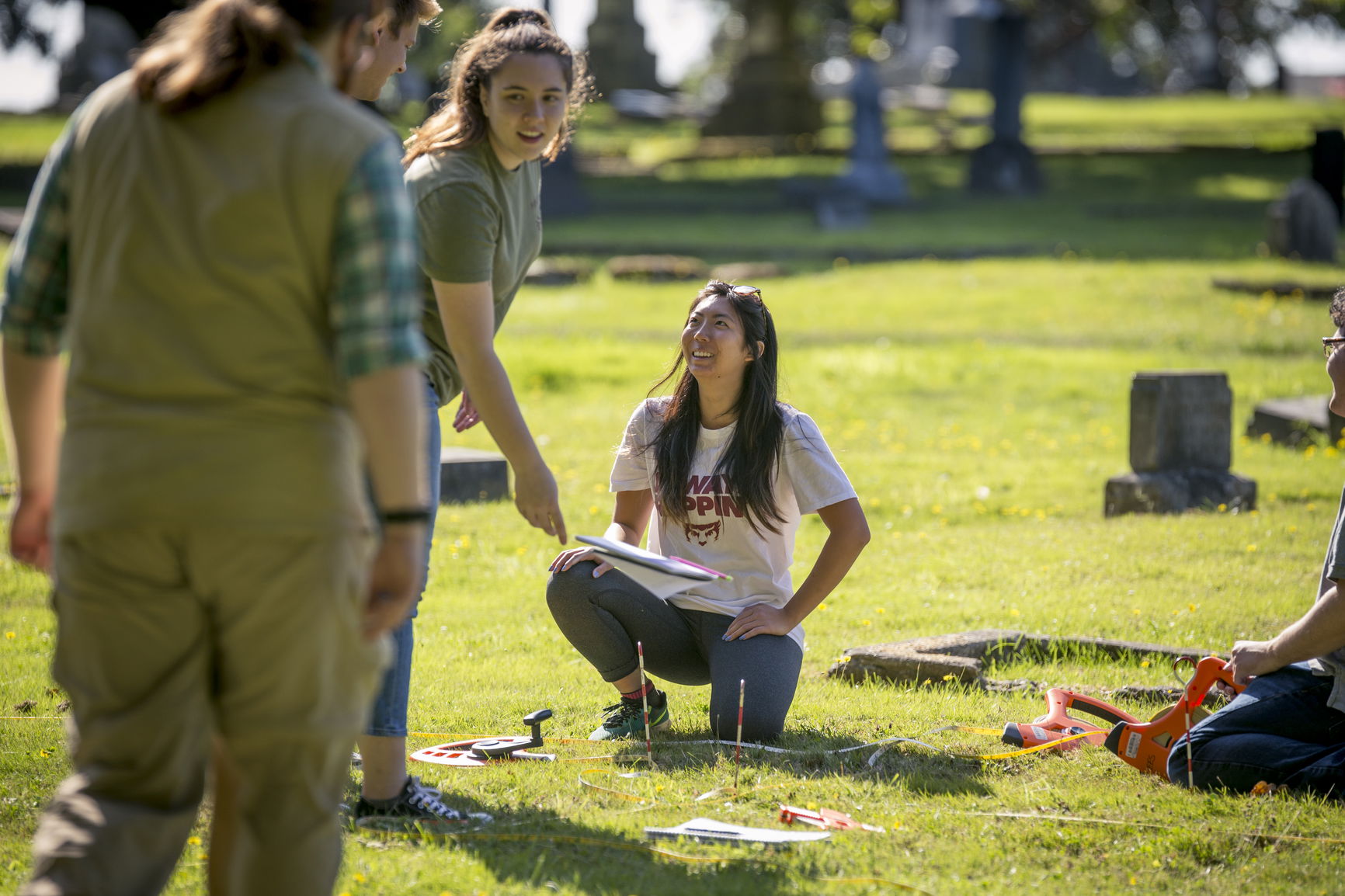
Utilize geographic information systems to map, analyze, and interpret data. Learn ancient languages, as well as standard excavation and recording techniques to turn discoveries into conclusions. Requirements include core courses, statistics, and field experience, while electives embrace different topical interests.
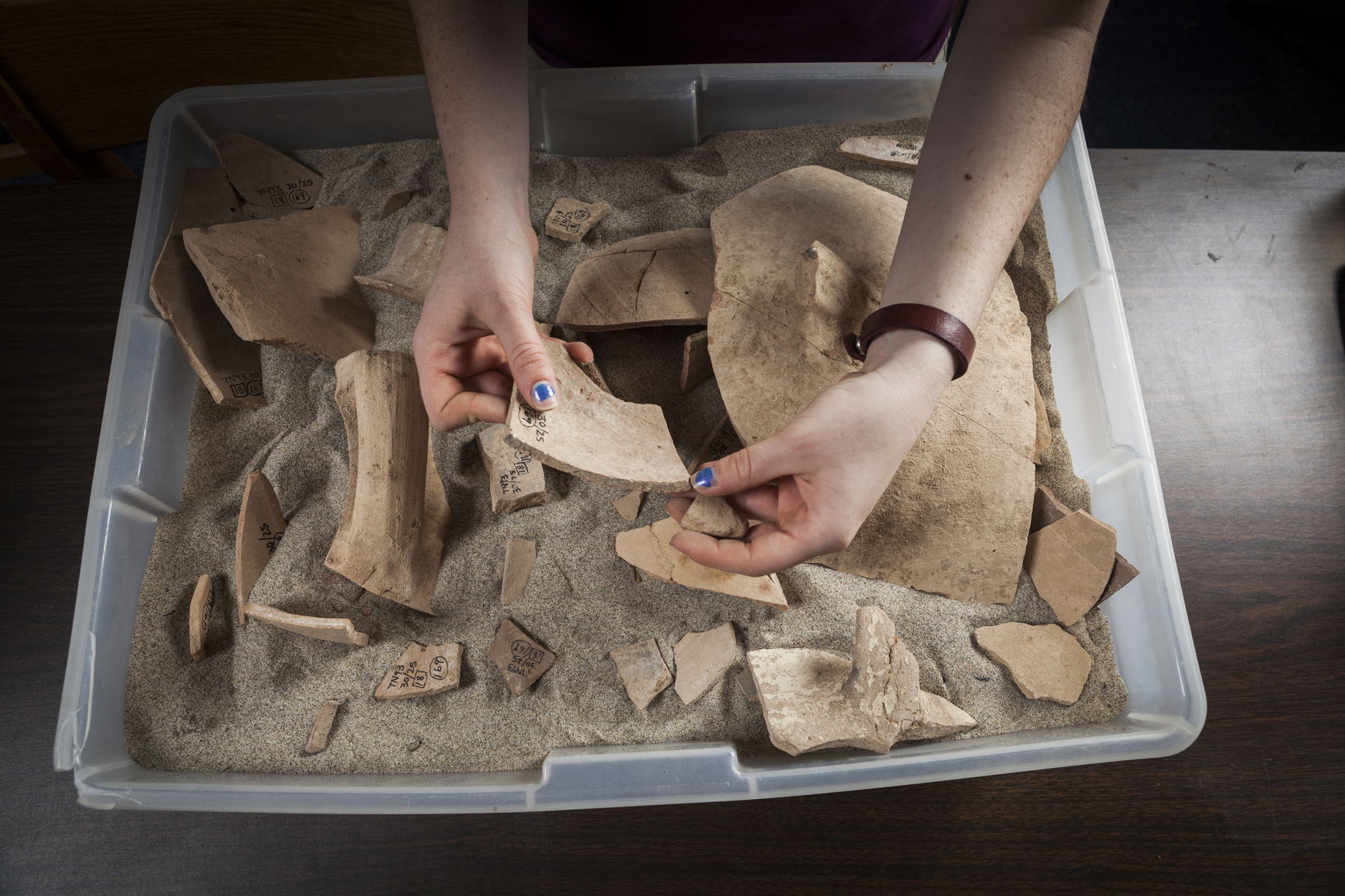
Explore the theoretical and technical foundations that drive archaeological research. Unearth, analyze, and interpret material culture to reveal insights into past human activities and social practices.
Explore the environmental and human rights issues facing indigenous peoples worldwide through a cross-cultural and field-based lens. Examine strategies used by indigenous groups to address these challenges through real-world case studies from various global regions.
Our Archaeology major requires 48 semester hours to complete the major, with a total of 124 credit hours required to complete the degree. Core courses make up 20 semester hours. Students pursuing an Archaeology Minor will need to complete 24 semester hours.
Our Archaeology program is open to first-year students, transfer students, and international students. Learn more about Willamette’s undergraduate admissions process to get started.

All admitted Archaeology undergraduate students are automatically considered for merit-based scholarships starting at $30,000 per year. Willamette offers plenty of exclusive competitive scholarship opportunities on top of a generous financial aid package. Students can be awarded merit and competitive scholarships, and even opportunities designed for current students.
Willamette University