Study Biochemistry and Molecular Biology

Build a deeper understanding of biology and chemistry through hands-on learning. Willamette's undergraduate program focuses on research opportunities, mentorship, and career support through a thoughtful and adaptable curriculum that encourages interdisciplinary learning.

Program Snapshot

Undergraduate Bachelor of Arts

Major

124

4 Years

Salem

A student in protective lab goggles conducting a chemistry experiment

Our Biochemistry and Molecular Biology Major

Develop a strong foundation in biology and chemistry. Our biochemistry and molecular biology program is adaptable, allowing students to pursue coursework, electives, and capstone experiences that match their interests. Find a supportive environment that encourages growth through experiential learning. 

Why choose a degree in Biochemistry and Molecular Biology at Willamette?

  • Research and hands-on learning opportunities. Conduct graduate-level research as an undergraduate student. With available research grants every year, students can apply their knowledge to solve real-world problems independently or with faculty support. Students can find personalized career advising and a wide variety of internship opportunities thanks to Willamette's central location.
  • Explore your interests in science and across the liberal arts. Students drawn to both biology and chemistry can pursue a degree that integrates both disciplines and gives them time to explore other fields within the liberal arts. Students can also utilize the flexibility to tailor their degree towards their interests and even study abroad as a science major.
  • Scientific tools, lab experience, and applied learning. Access advanced, research-grade instrumentation supporting DNA and protein analysis, chromatography and spectroscopy, and high-resolution imaging. We offer a dedicated microscopy lab, anatomy lab, and other STEM labs to help students find unique opportunities on campus.
  • Build a well-rounded skillset. Choose a study abroad program, get involved with community opportunities, or connect with peers through student clubs such as Chemistry Club, Health Professions Club, or a variety of science and health organizations.
  • Support for health-related careers. Our pre-health advisors can help you navigate the path to medicine, dentistry, biotech, or graduate school. We offer personalized support to help you gain clinical experience and ensure you are on track to take your next steps.

Schedule a Visit

Request Information

Do you have questions about the Biochemistry and Molecular Biology program at Willamette? Fill out this form and we'll get in touch!

Loading...

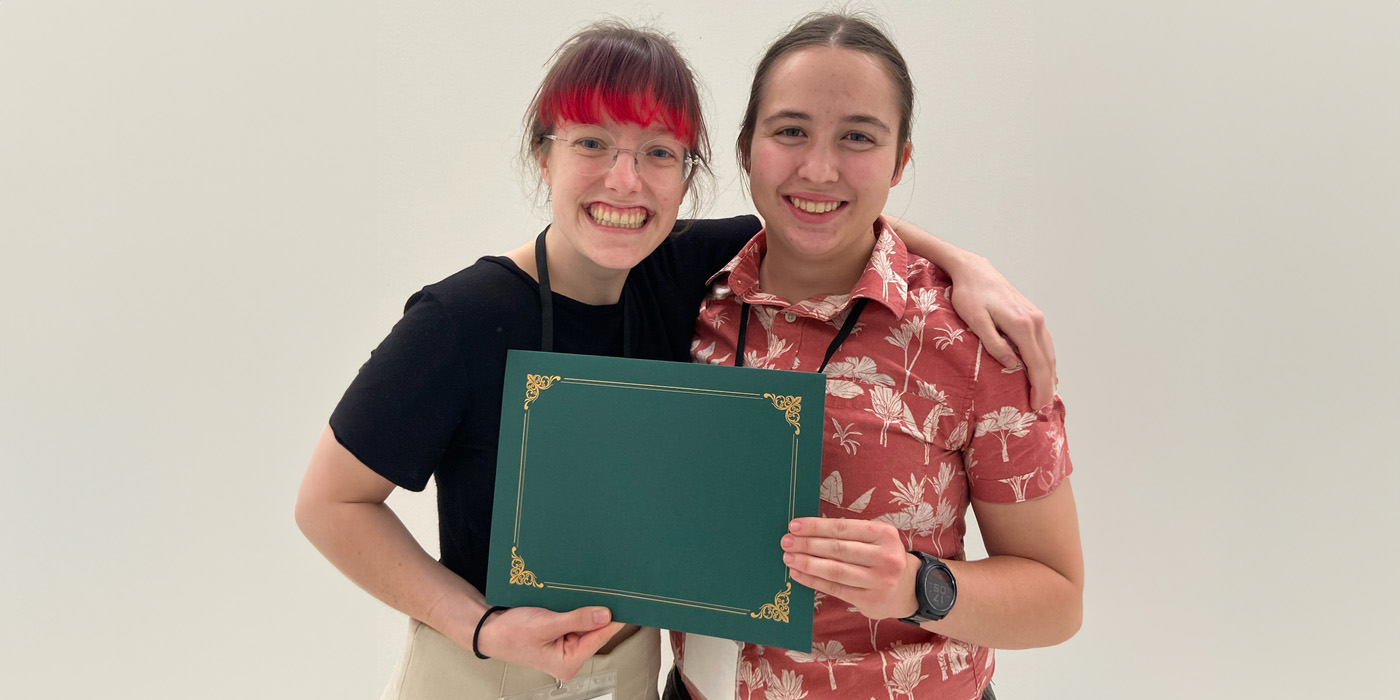
Marni Aosved BS’24 and Melissa Duncan BS’24 earned top honors at two conferences for research that could improve breast cancer screening. Working with Professor Battle, they helped develop DNA biosensors designed to make cancer detection faster and more affordable.

Advancing early cancer detection through research

The students received “Best Undergraduate Poster Presentation” at the Oregon Bioengineering Symposium and a poster prize at the Murdock College Research Conference. Both credited their hands-on lab experience and collaborative research environment for preparing them to share their work at national conferences.

View Story
Marni Aosved BS’24 and Melissa Duncan BS’24
Hands-on undergraduate research helped prepare Aosved and Duncan to present their work at regional and national conferences.

Alumni Stories

  • Dr. Tyler Starr '12

    Dr. Tyler Starr '12

    Distinguished Alum of the Year works on SARS-CoV-2
    Tyler Starr, a Damon Runyon Research Fellow at Fred Hutchinson Cancer Research Center, studies how viruses evolve and interact with the human immune system. His research has helped advance methods for modeling SARS-CoV-2 evolution and developing new therapies. He will soon join the University of Utah as an Assistant Professor of Biochemistry.
  • Anna Ayala ’19

    Anna Ayala ’19

    From undergraduate research to medical school
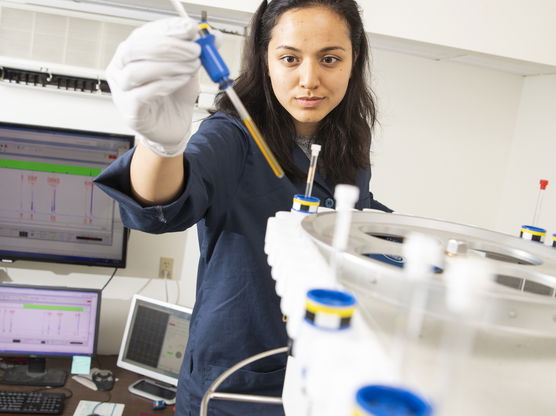
    Anna Ayala '19 collaborated with a professor to develop local anesthetics for surgical patients and co-authored a study published in a neuroscience journal. Through emergency care work at Salem Hospital and a summer research opportunity, she built the experience that supported her acceptance into two MD programs.

Introducing Some of Our Faculty

Our professors are committed to hands-on learning through lab work, research projects, and outreach. Students form close mentoring relationships with faculty who support their academic and career goals. The biochemistry and molecular biology program offers opportunities to gain career insight and engage in cutting-edge research.

  • Meet Professor Battle

    Dr. Cooper Battle is a bio-organic chemist whose research focuses on how biomolecules assemble and how that process can be used to design fluorescent sensors. His work includes developing tools to detect microRNA linked to early cancer development. He also brings students into hands-on research and science outreach as part of his teaching.

    Headshot of Dr. Cooper Battle
  • Meet Professor Fisher

    Dr. Alison Fisher is an environmental biochemist whose research focuses on how plants produce and regulate volatile organic compounds. Her work explores the biological roles of plant chemicals such as ethylene and isoprene using biochemical and molecular techniques. She also teaches hands-on laboratory courses that connect biochemistry and environmental science.

    Dr. Alison Fisher
  • Meet Professor Marks

    Dr. Melissa Marks focuses on how bacteria adapt and evolve, including how cells balance growth and survival. Her work uses genetic and molecular approaches to study microbial systems and evolutionary change. She also involves undergraduate students in research that connects lab science to real biological questions.

    Dr. Melissa Marks

Curriculum

Through the bachelor’s degree in biochemistry and molecular biology, students build a strong foundation in chemistry, biology, and biochemistry while gaining hands-on experience in lab-based learning. The curriculum includes required courses and electives that support preparation for graduate study and a range of career paths.

  • CHEM 351 - Biological Chemistry

    Discover the chemistry behind life. Examine the structure and function of proteins, DNA, lipids, and carbohydrates. Explore enzyme reactions, biomolecular interactions, and the chemical principles that govern cellular processes.

  • BIOL 348 - Microbiology

    Investigate the hidden world of microbes. Explore how bacteria, viruses, and other microorganisms shape Earth's ecosystems while developing hands-on lab skills in culturing, analyzing, and communicating scientific research.

Program Requirements

To earn a Bachelor’s degree in Biochemistry and Molecular Biology, students must complete 124 total credit hours, including 54–56 credits in the major.

Major requirements include:

  • Chemistry core: 16 credits + 4 lab credits
  • Biology core: 14 credits
  • Biochemistry core: 12 credits (+ possible 1 lab credit)
  • Seminar: 2 credits
  • Integrated labs: 6 credits + 2 lab credits
  • Capstone experience: 4–6 credits
A student writing down a chemistry experiment result in a lab setting

Admissions Information

Our Biochemistry and Molecular Biology degree program is open to first-year students, and transfer students. Explore our undergraduate admissions process.

A group of students in lab coats in Willamette's human anatomy lab

Financial Aid and Scholarships

Willamette offers generous merit scholarships and financial aid to Biochemistry and Molecular Biology majors, with no separate application required. All admitted undergraduates are automatically considered for scholarships starting at $28,000 per year. For students with financial need and a passion for STEM, our STEM Fellows Program provides up to $5,000 annually for first-year students. This program includes mentorship, field trips, tutoring, and more, helping students succeed in their STEM careers.

A professor giving a biochemistry lecture

FAQs

By combining concepts from biology and chemistry, biochemistry and molecular biology majors study the chemical processes of living organisms at the molecular level. As a core life science, biochemistry explores how molecules drive processes such as metabolism, genetics, cell signaling, disease, and drug action. Students typically spend time in the lab learning DNA analysis, molecular modeling, chromatography, and spectroscopy.

Biology focuses on what happens in living organisms, while chemistry focuses on how molecules interact and react. Biochemistry and molecular biology explore how chemical reactions and molecules make life possible.

A bachelor's degree in molecular biology and biochemistry typically offers coursework in general and organic chemistry, biological chemistry, cell biology, genetics, molecular biology, physical chemistry, and lab methods.

Absolutely! It is considered a strong science major because it combines the foundations of chemistry and biology. Students also develop quantitative, analytical, and lab skills that help prepare them for a variety of career paths.

Biochemistry and molecular biology are growing fields that play a central role in drug development, genomics, medicine, and biotechnology. By majoring in biochemistry, students gain hands-on lab experience that prepares them for graduate programs and a growing career field. While it can be a challenging major, it's best for students who like chemistry and biology and enjoy lab work and research.

Biochemistry and molecular biology can lead to a lot of career paths and post-graduate options. Relevant roles for students can include industries and roles such as:

  • Medicine and Healthcare: Physician, dentist, pharmacist, veterinarian
  • Pharmaceutical Industries: Drug development scientist, clinical researcher, quality assurance specialist
  • Research: Research scientist, lab manager, professor
  • Genetics and Genomics: Genetic counselor, genomics scientist, forensic scientist

Some paths require additional training, certificates, and degrees. Many students choose to pursue advanced degrees to become doctors, veterinarians, and dentists. Speak with an advisor to discuss specific career requirements.

If you're interested in graduate school, it can be hard to decide between chemistry, biology, or biochemistry and molecular biology. While medical schools do not require a specific major, students will need to complete all the prerequisites for medical school. Typically, medical school requires courses in biology, general chemistry, organic chemistry, physics, and math.

All three majors require a variety of courses that graduate schools are looking for. Biology covers genetics and cell biology, but it is a very common pre-med major. Chemistry offers quantitative and problem-solving skills, but it can be challenging. Biochemistry and molecular biology help students prepare for the MCAT by combining both disciplines into a relevant major for modern medicine and research.

At Willamette, students can find the support they need through our pre-health program. Gain personalized advising and learn how to build your experience, education, and application for whatever path you choose. Our program can help you achieve the requirements and prepare for the next steps for additional degrees in medicine, dentistry, or physical therapy.

Willamette University

Biochemistry and Molecular Biology

  • Salem Campus

    Address

    900 State Street
    Salem Oregon 97301 U.S.A.