Study Sustainability

Minor in sustainability to address the complex nature of environmental, economic, and social sustainability from a variety of perspectives.

Program Snapshot

Minor

Minor

20

Salem

Three people standing near a pond with a brick building in the background.

Our Sustainability Minor

Through the courses required, students can build an understanding of how to create change and tackle complex issues. Learn about natural systems, understand economic and social impact, and gain the skills to create equity within your community. Our program offers students a way to face the challenges of tomorrow.

Why choose a Sustainability minor at Willamette? 

  • We embrace sustainability. We're not just talk, we offer a sustainability program that the entire school embraces. Join student groups, experience LEED-certified buildings, and enjoy campus dining that features local farms, ranches, and fisheries.
  • Willamette University at Zena. Conserve, restore, and enhance Willamette at Zena's natural resources and ecosystems. From classroom projects to independent research, students gain hands-on experiences from the 305-acre property.
  • Student-led communities. If you need an introduction to sustainability, get involved with Community Action Fund for Equity and Sustainability. CAFES is a student-led program that provides funding that advances sustainability, equity, and social justice.

Schedule a Visit

Request Information

Do you have questions about the Sustainability program at Willamette? Fill out this form and we'll get in touch!

Loading...

Our Faculty

Our professors come from a variety of disciplines. They've published work, completed valuable research, and collaborated with students. Work with them on social justice initiatives or connect with them about real-world applications.
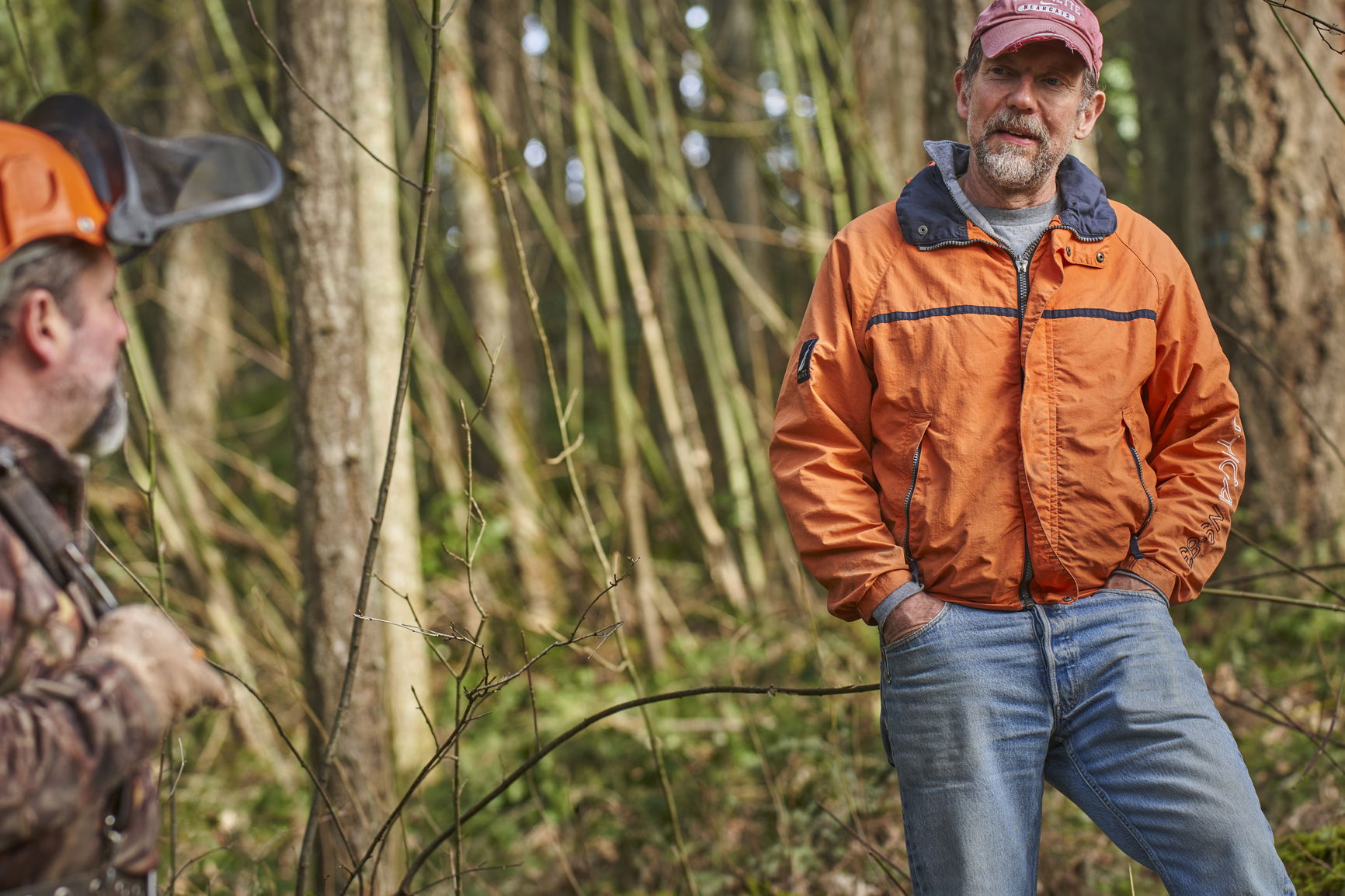
Joe Bowersox in the forest at WU at Zena

Curriculum

Issues like pollution, climate change, and sustainable development require skills in a variety of topics. Our course list covers biology, chemistry, environmental science, history, and communication. Peer through a spotting scope to observe wildlife on campus, use a mass spectrometer to evaluate the water quality of local rivers, or fly drones to map Willamette at Zena.

  • IDS 214 Food Justice

    Dive into the world of food justice and sovereignty, blending theory with hands-on farm work and service learning. Partner with Marion Polk Foodshare on projects that connect you directly with local food systems that make a difference in the community.

  • ENVS 347 Earth's Climate

    Explore Earth’s climate history, learning how scientists use the rock record to reveal past climates. Dive into topics like geologic time, carbon cycles, Milankovitch cycles, and modern climate change, employing state-of-the-art models and proxies to forecast future trends.

Program Requirements

Students pursuing a Sustainability minor will need to complete 20 semester hours from four areas:

  • Area 1: Natural Systems
  • Area 2: Economic and Social Sustainability
  • Area 3: Equity and Community
  • Area 4: Graduate School Offerings

Students may not count more than two courses in any one area and may not count more than two courses with the same prefix.

A student using a yellow highlighter to review a printed paper with a coffee nearby

Admissions Information

Our Sustainability minor is open to first-year students, transfer students and international students. Learn more about Willamette’s undergraduate admissions process to get started.

A group of people taking notes outdoors on a sunny day.

FAQs

Sustainability Studies is a field focused on balancing the needs of people, the planet, and the economy to create a better future. The sustainability minor includes topics such as:

  • Environmental Science
  • Social Sciences
  • Economics
  • Renewable Energy
  • Sustainable Agriculture
  • Climate Change
  • Policy and Planning

Sustainability Studies is about finding ways to live and develop that don't deplete resources or harm the environment. It's a field that combines science, economics, and social studies to solve some of the biggest challenges facing the world. Learn how to develop sustainable practices to impact your community and the world.

Studying sustainability is important because it teaches us how to take care of our planet. Current circumstances are compromising the abilities of future generations. Address sustainability issues by exploring the social, economic, and environmental impact of our available natural resources. Students should study the topic for a variety of reasons including:

  • Protecting the Environment
  • Helping People
  • Saving Money
  • Preparing for the Future
  • Job Opportunities
  • Innovation and Creativity

Willamette University

Sustainability